
Introduction
Search Engine Optimization (SEO) is one of the most effective digital marketing strategies for increasing a website’s visibility on search engines like Google. Whether you own a small business, run an online store, or manage a personal blog, SEO helps attract visitors without paying for ads.
Every day, millions of people search for products, services, and information online. If your website appears on the first page of Google, you have a much better chance of getting traffic, leads, and customers. That’s why businesses of all sizes invest in SEO to grow their online presence.
In this guide, you’ll learn what SEO is, how it works, why it’s important, the different types of SEO, and practical tips you can start using today.
What Is SEO?
SEO stands for Search Engine Optimization. It is the process of improving a website so that it ranks higher in search engine results pages (SERPs). The higher your website ranks, the more likely people are to visit it.
SEO involves optimizing your website’s content, structure, speed, and authority so search engines can understand your pages and recommend them to users searching for related topics.
For example, if someone searches for “best digital marketing agency”, Google analyzes thousands of websites and displays the most relevant and trustworthy results. SEO helps your website become one of those results.
Why Is SEO Important?
SEO provides long-term benefits that paid advertising cannot always match. Some of the biggest advantages include:
- Increases organic website traffic
- Builds trust and credibility
- Improves user experience
- Generates high-quality leads
- Offers long-term results
- Provides a better return on investment compared to many paid marketing methods
- Helps businesses compete with larger companies
Unlike paid advertisements, organic traffic continues even after you stop spending on ads, making SEO one of the most cost-effective marketing strategies.
How Do Search Engines Work?
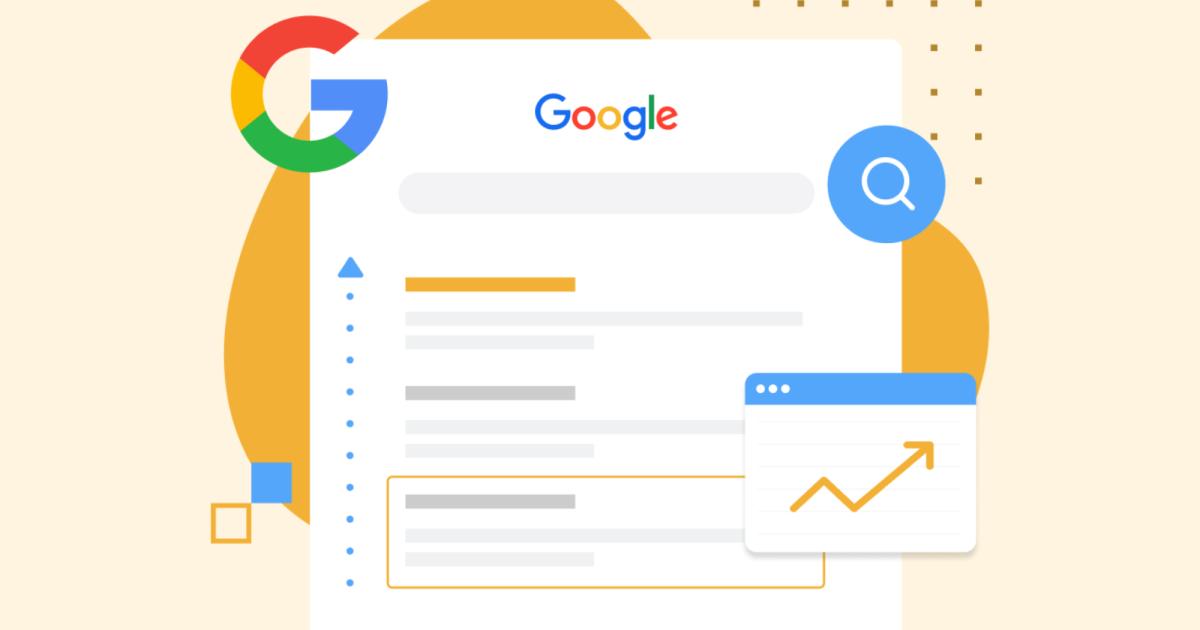
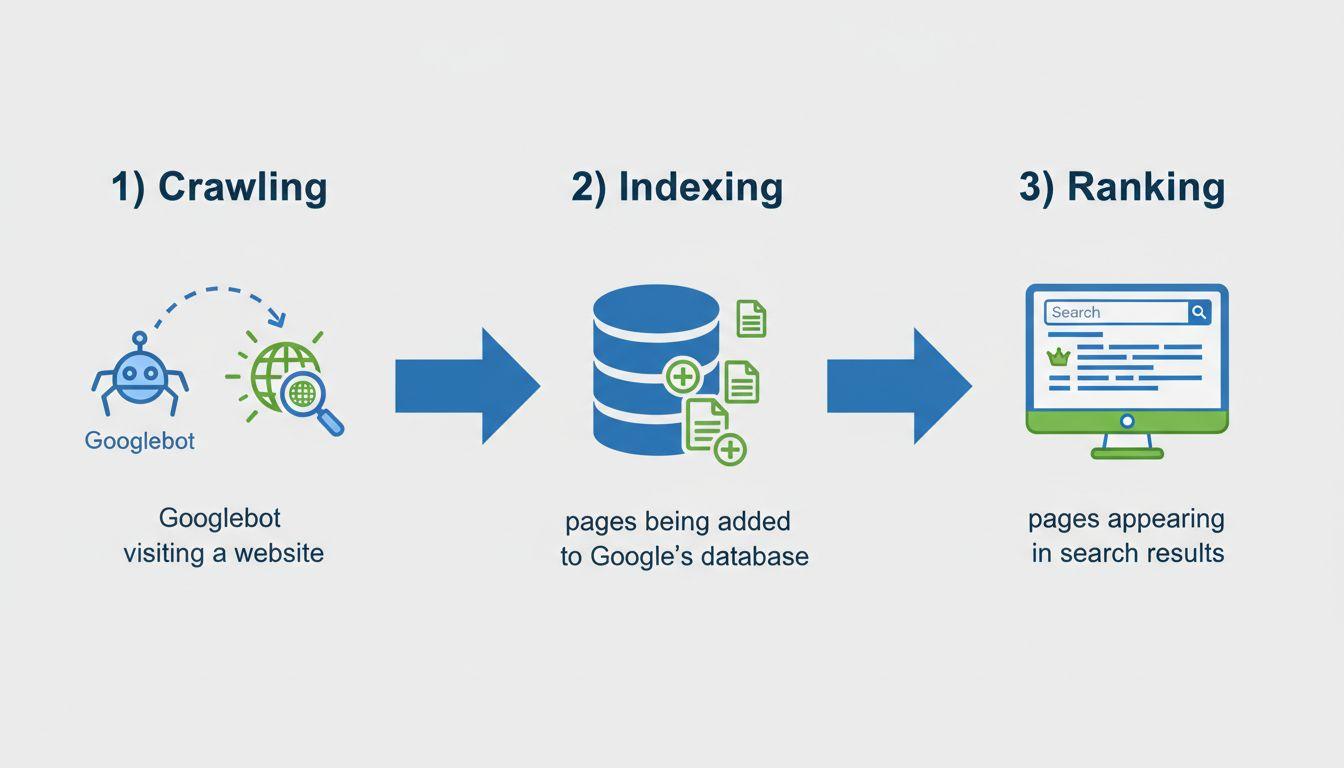
Search engines like Google follow three basic steps:
1. Crawling
Google uses automated bots called crawlers to discover new and updated web pages across the internet.
2. Indexing
After crawling a page, Google stores it in its database, known as the index.
3. Ranking
When someone performs a search, Google evaluates hundreds of ranking factors to decide which pages should appear first based on relevance, quality, and user experience.
Types of SEO
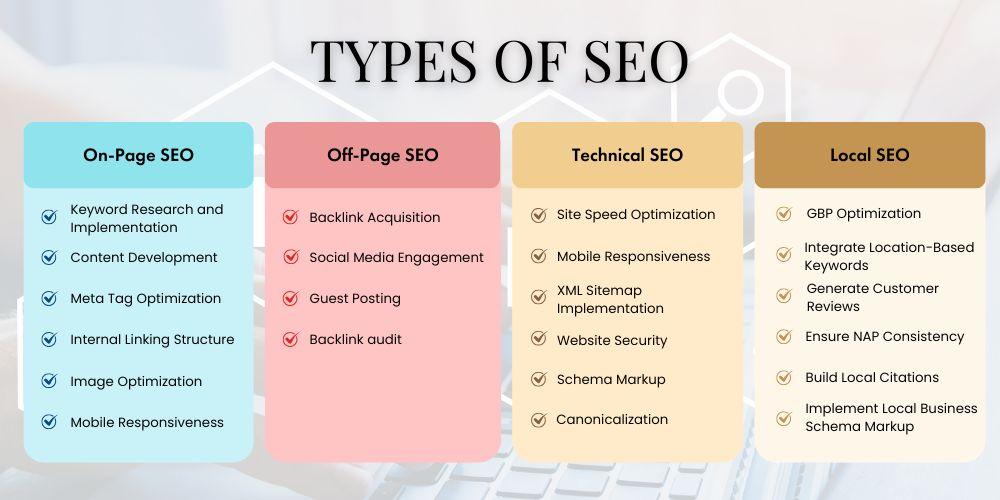
1. On-Page SEO
On-page SEO focuses on optimizing the content and elements within your website.
Examples include:
- Keyword optimization
- High-quality content
- Proper heading structure
- Internal linking
- Meta titles and descriptions
- Image optimization
- URL optimization
2. Off-Page SEO
Off-page SEO improves your website’s authority through external signals.
Examples include:
- Backlinks from trusted websites
- Brand mentions
- Guest blogging
- Social media sharing
- Digital PR
3. Technical SEO
Technical SEO ensures your website is easy for search engines to crawl and provides a good user experience.
It includes:
- Website speed optimization
- Mobile-friendly design
- HTTPS security
- XML sitemap
- Robots.txt configuration
- Fixing broken links
- Structured data (Schema)
4. Local SEO
Local SEO helps businesses appear in local search results.
Examples include:
- Optimizing your Google Business Profile
- Getting customer reviews
- Local keyword optimization
- Consistent business information across directories
Benefits of SEO for Businesses
In today’s digital world, having a website is only the first step. The real challenge is getting potential customers to find it. Search Engine Optimization (SEO) helps businesses improve their online visibility, attract qualified visitors, and build long-term credibility. Unlike paid advertising, SEO focuses on earning organic traffic, making it a sustainable strategy for growth.
Businesses that invest in SEO can reach people who are already searching for their products or services. This means the visitors coming to your website are more likely to become customers because they have genuine interest in what you offer.
Key Benefits of SEO
1. Increases Organic Website Traffic
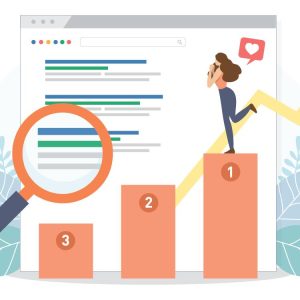
SEO helps your website appear higher in search engine results. When your pages rank on the first page of Google, they receive significantly more clicks than lower-ranking pages. This increase in visibility brings consistent organic traffic without paying for every visitor.
2. Builds Trust and Credibility
Users generally trust websites that rank at the top of search results. High-quality content, secure browsing (HTTPS), fast loading speed, and positive user experience all contribute to building trust with both search engines and visitors.
Businesses that consistently publish valuable content are more likely to become recognized as experts in their industry.
3. Improves User Experience
Modern SEO is not only about keywords. Google also considers how users interact with your website. Fast loading pages, mobile-friendly layouts, easy navigation, and useful content create a better experience for visitors.
A positive user experience often leads to lower bounce rates, longer session durations, and more conversions.
4. Generates High-Quality Leads
Unlike traditional advertising, SEO targets people who are actively searching for specific information, products, or services. Because these users already have intent, they are more likely to take action, such as filling out a contact form, requesting a quote, or making a purchase.
For example, someone searching for “best SEO agency in Delhi” is already looking for professional SEO services. Ranking for that keyword can bring valuable business opportunities.
5. Delivers Long-Term Results
Paid advertisements stop generating traffic as soon as you stop paying. SEO, however, can continue bringing visitors for months or even years if your content remains useful and up to date.
Although SEO requires time and consistent effort, the long-term return on investment often makes it one of the most cost-effective digital marketing strategies.
How SEO Helps Increase Website Traffic
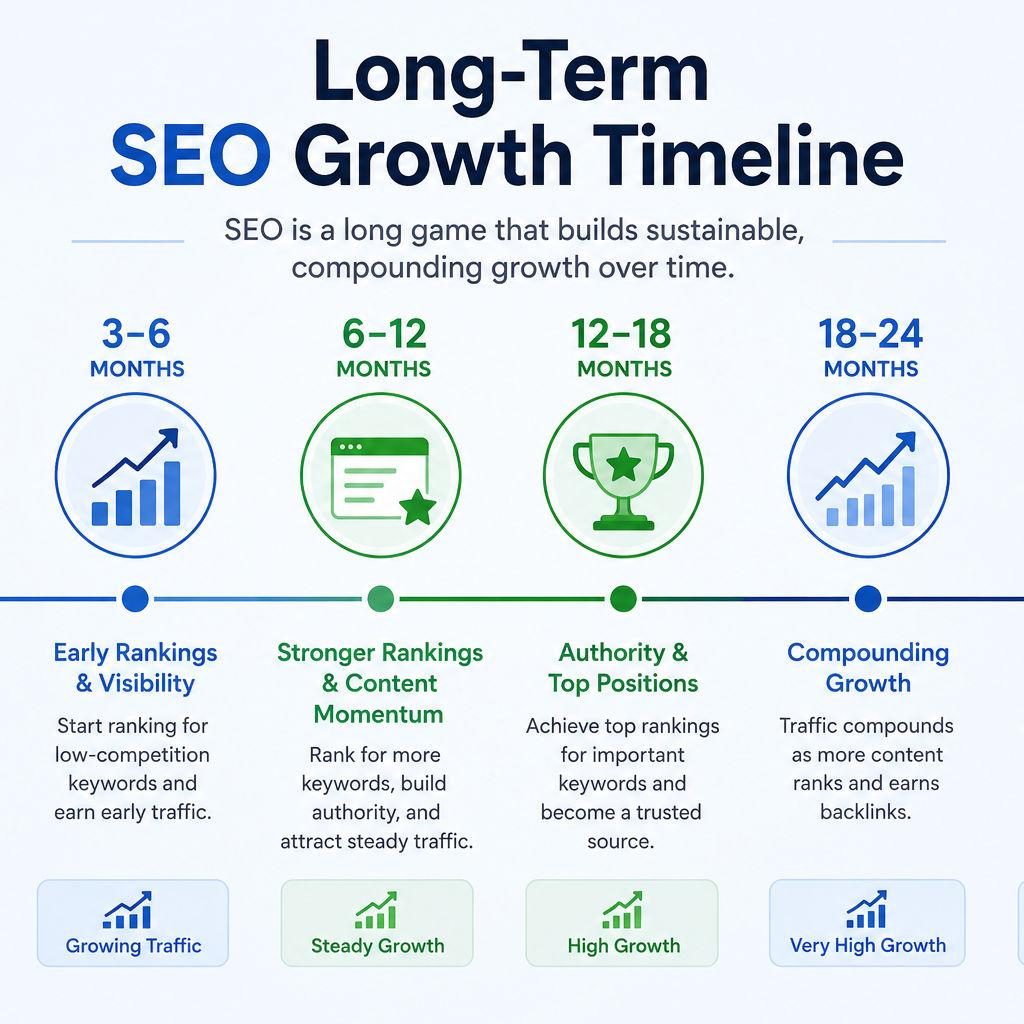
SEO increases website traffic by helping search engines understand your content and match it with relevant user searches. When your pages are properly optimized, they have a better chance of appearing for keywords your audience is searching.
The process generally works like this:
- You publish valuable, keyword-focused content.
- Search engines crawl and index your pages.
- Google evaluates your page quality and relevance.
- Users searching for related topics discover your content.
- More visitors lead to more inquiries, leads, and potential customers.
As you continue publishing helpful content and improving your website, your authority grows, making it easier to rank for additional keywords over time.
On-Page SEO: The Foundation of Higher Rankings
On-page SEO refers to the process of optimizing individual web pages so they can rank higher in search engine results and provide a better experience for visitors. Unlike off-page SEO, which focuses on external factors like backlinks, on-page SEO gives you complete control over your website’s content and structure.
A well-optimized page helps search engines understand what your content is about while making it easier for users to find the information they need.
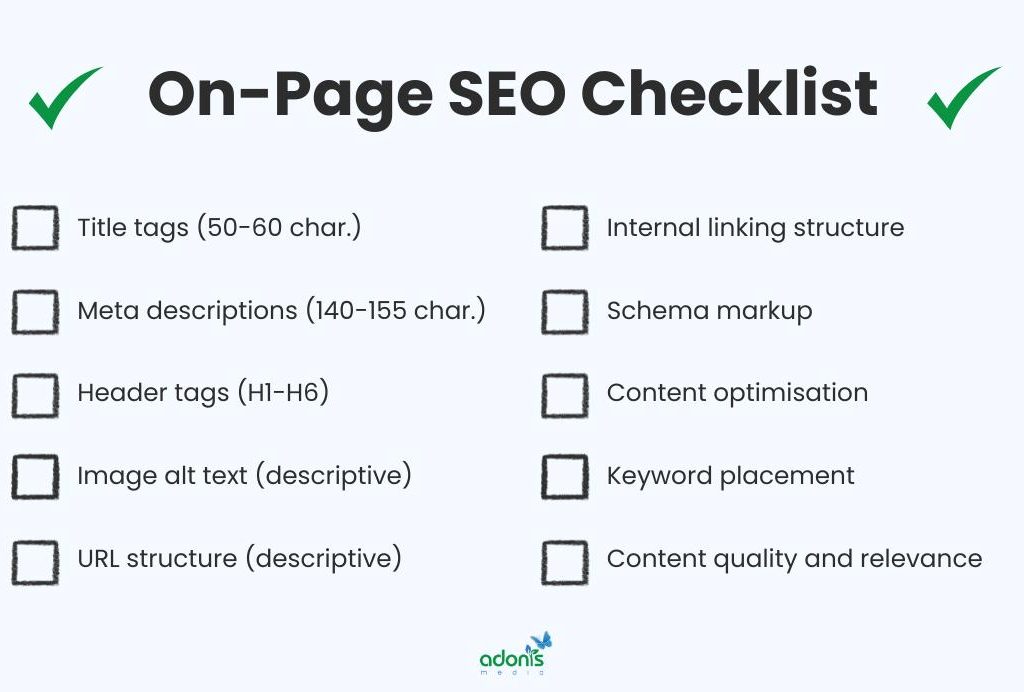
Essential On-Page SEO Elements
1. Create High-Quality Content
Content is the most important part of any SEO strategy. Google aims to show users helpful, original, and trustworthy information. Instead of writing just to include keywords, focus on answering real questions and solving real problems.
High-quality content should:
- Be original and informative.
- Cover the topic in depth.
- Be easy to read.
- Include examples where relevant.
- Stay updated over time.
The more useful your content is, the more likely it is to rank well and keep visitors engaged.
2. Use Your Primary Keyword Naturally
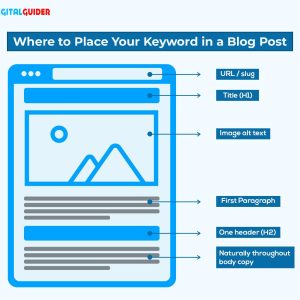
Your primary keyword should appear in important places without sounding forced. Keyword stuffing can hurt readability and may negatively affect rankings.
Include your primary keyword in:
- The page title (H1)
- The first paragraph
- At least one H2 heading
- The meta title
- The meta description
- The URL
- Image alt text (where relevant)
Use related keywords naturally throughout the article to provide context rather than repeating the exact phrase excessively.
3. Write Clear Headings
A good heading structure improves readability and helps search engines understand your content.
A typical structure looks like this:
- H1: Main page title
- H2: Main sections
- H3: Subsections
- H4: Additional details when needed
Avoid skipping heading levels unnecessarily, and make your headings descriptive so readers can quickly scan the page.
4. Optimize Your Images
Images make articles more engaging, but they should also be optimized for performance and SEO.
Best practices include:
- Compress images before uploading.
- Use descriptive file names.
- Add meaningful alt text.
- Choose modern formats like WebP when possible.
- Resize images to fit your layout instead of uploading oversized files.
Optimized images help pages load faster and improve accessibility.
5. Use SEO-Friendly URLs
A clean URL helps both users and search engines understand the page topic.
Good URL
https://clickfx.in/what-is-seo/Poor URL
https://clickfx.in/post?id=12345Keep URLs:
- Short
- Descriptive
- Easy to read
- Focused on the primary topic
Avoid unnecessary numbers, symbols, or long strings of words.
6. Add Internal Links
Internal links connect related pages on your website. They help visitors discover more content and allow search engines to understand your site’s structure.
For example, if someone is reading about SEO, you can link to:
- Your SEO Services page
- A future blog on Keyword Research
- A guide on Technical SEO
- A Local SEO article
This keeps users engaged and distributes authority across your website.
7. Improve Page Speed
Page speed is an important ranking factor and has a direct impact on user experience. Slow websites often have higher bounce rates because visitors leave before the page finishes loading.
To improve speed:
- Compress images.
- Enable browser caching.
- Minify CSS and JavaScript.
- Use a reliable hosting provider.
- Reduce unnecessary plugins.
- Use a Content Delivery Network (CDN) if needed.
A faster website keeps visitors engaged and supports better search performance.
Off-Page SEO: Building Authority Beyond Your Website
While on-page SEO focuses on optimizing your website, off-page SEO involves activities outside your website that help improve its authority, trust, and rankings. Search engines consider these external signals to determine whether your content is reliable and valuable.
Think of off-page SEO as your website’s online reputation. The more trusted websites mention or link to your content, the more confidence search engines have in your website.
Why Is Off-Page SEO Important?

Even if your content is excellent, it can be difficult to rank if search engines don’t see your website as trustworthy. Off-page SEO helps build that trust by increasing your website’s authority through backlinks, mentions, and positive online signals.
Some major benefits include:
- Improves search engine rankings
- Builds website authority
- Increases referral traffic
- Strengthens brand recognition
- Helps search engines trust your website
What Are Backlinks?
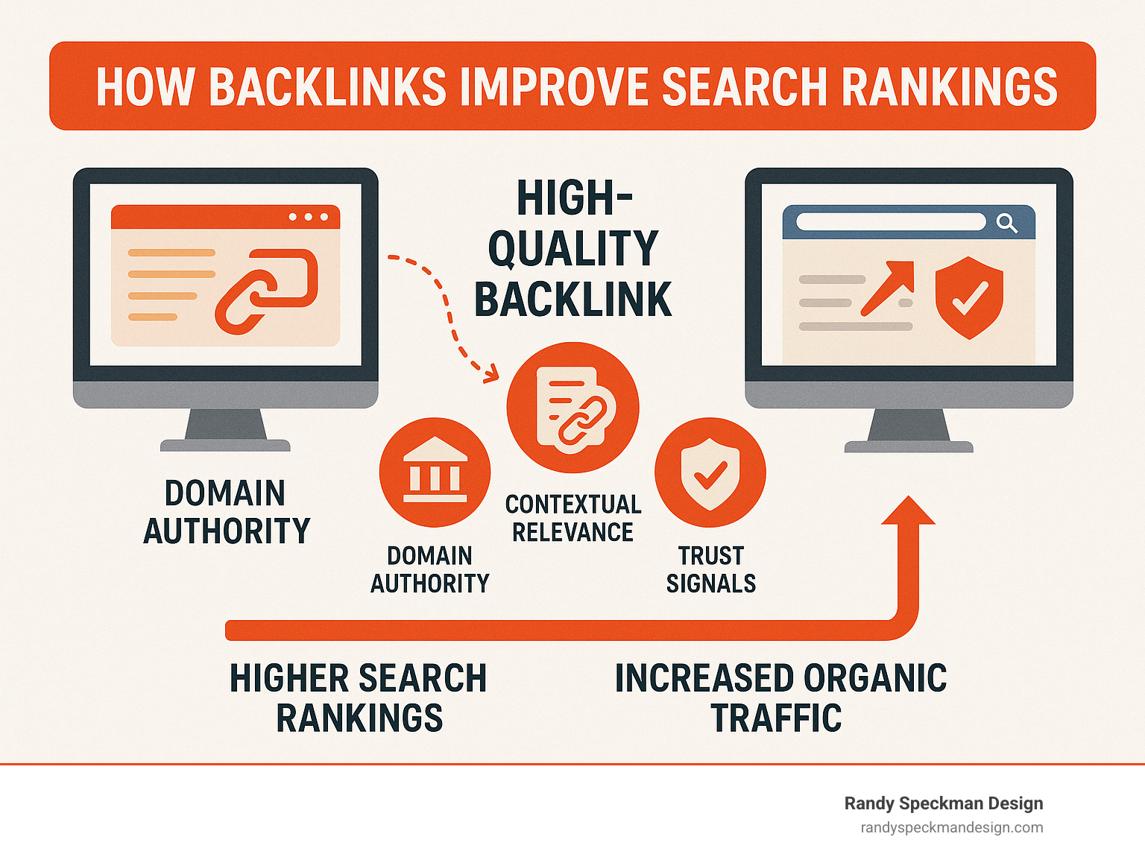
Backlinks are links from one website to another. When another trusted website links to your content, it’s like a recommendation.
For example, if a respected marketing blog links to your SEO guide, Google sees that as a positive signal that your content is valuable.
However, quality matters more than quantity. A few links from trusted websites are generally more valuable than many links from low-quality or spammy sites.
Types of Backlinks
1. Natural Backlinks
These are earned when other websites voluntarily link to your content because they find it useful.
Example:
A blogger references your SEO guide in their article.
2. Guest Post Backlinks
Writing articles for reputable websites allows you to include a link back to your own website.
Guest posting can help:
- Reach a wider audience
- Build authority
- Generate referral traffic
- Improve SEO
3. Directory Backlinks
Listing your business in trusted online directories can improve visibility, especially for local businesses.
Examples include:
- Business directories
- Industry-specific directories
- Professional listings
Brand Mentions
Search engines also pay attention to how often your brand is mentioned online. Even when a website doesn’t link directly to you, consistent mentions can help strengthen your online presence.
Brand mentions can come from:
- Blogs
- News websites
- Forums
- Social media
- Industry publications
Building a recognizable brand encourages more people to search for your business directly.
Social Media and SEO
Although social media links are not considered traditional ranking factors, they can still support your SEO efforts.
Sharing your content on platforms like LinkedIn, Facebook, Instagram, and X can:
- Increase visibility
- Drive more visitors to your website
- Encourage content sharing
- Create opportunities for natural backlinks
The more people discover your content, the higher the chances that other websites will reference it.
Best Off-Page SEO Practices
To build long-term authority, focus on these proven strategies:
- Publish valuable and original content.
- Earn backlinks from reputable websites.
- Write guest posts for relevant blogs.
- Share content consistently on social media.
- Build relationships with industry professionals.
- Encourage satisfied clients to mention your business online.
- Monitor your backlink profile regularly.
- Avoid buying backlinks or using spammy link-building techniques.
Common Off-Page SEO Mistakes
Avoid these mistakes, as they can harm your website’s reputation:
- Buying low-quality backlinks
- Participating in link farms
- Posting duplicate guest articles
- Ignoring backlink quality
- Using irrelevant directories
- Building too many links too quickly
- Neglecting your online reputation
Search engines value natural, high-quality links over artificial link-building methods.
Key Takeaways
Off-page SEO strengthens your website’s reputation by earning trust from other websites and online communities. High-quality backlinks, positive brand mentions, and valuable content all contribute to better rankings over time.
Rather than chasing hundreds of links, focus on creating content that people genuinely want to reference and share. A strong off-page SEO strategy supports sustainable growth and helps your website compete for more competitive keywords.
Technical SEO: Optimizing Your Website for Better Performance
Technical SEO focuses on improving your website’s infrastructure so search engines can easily crawl, index, and understand your content. While high-quality content is essential, even the best articles may struggle to rank if your website has technical issues.
A technically optimized website provides a better user experience, loads faster, and makes it easier for search engines like Google to discover and rank your pages.
Why Is Technical SEO Important?
Technical SEO ensures that your website performs well for both users and search engines. It helps improve website speed, mobile usability, security, and crawlability.
Some key benefits include:
- Faster page loading
- Better Google rankings
- Improved user experience
- Easier indexing of web pages
- Higher conversion rates
A website that is technically sound gives search engines confidence that it can provide a quality experience to users.
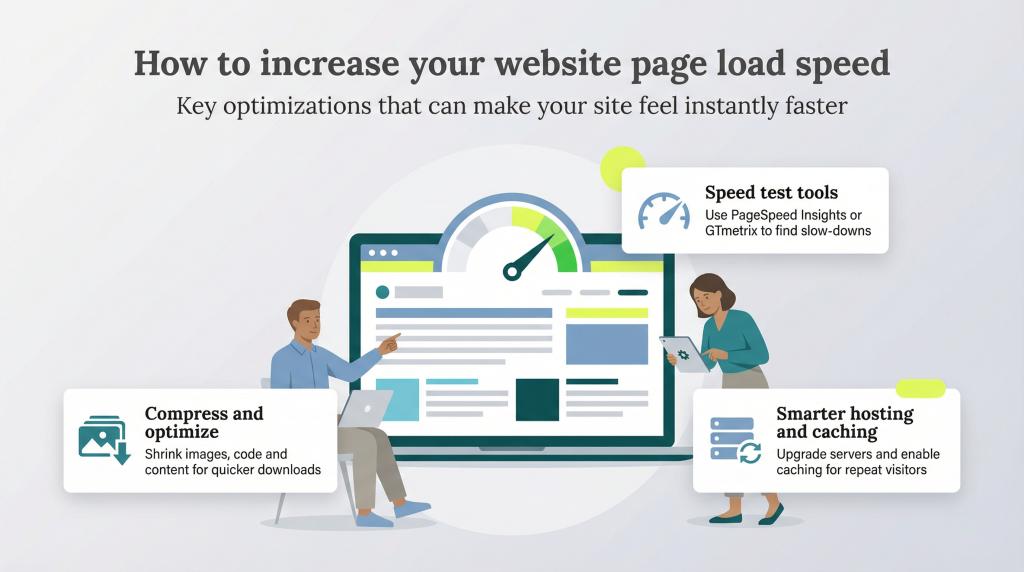
Website Speed Optimization
Website speed is one of the most important technical SEO factors. Visitors expect pages to load quickly, and slow-loading websites often experience higher bounce rates.
You can improve page speed by:
- Compressing images before uploading.
- Using modern image formats like WebP.
- Enabling browser caching.
- Minifying CSS and JavaScript files.
- Choosing a fast and reliable hosting provider.
- Removing unnecessary WordPress plugins.
A faster website keeps users engaged and encourages them to explore more pages.
Mobile-Friendly Website
More than half of all internet users browse websites on smartphones and tablets. Google also uses mobile-first indexing, meaning it primarily evaluates the mobile version of your website when determining rankings.
To create a mobile-friendly website:
- Use responsive design.
- Ensure text is easy to read.
- Make buttons easy to tap.
- Avoid elements that require horizontal scrolling.
- Test your website on different screen sizes.
A responsive website provides a better experience for all users, regardless of the device they use.
XML Sitemap
An XML sitemap is a file that lists the important pages on your website. It helps search engines discover and crawl your content more efficiently.
Most WordPress SEO plugins automatically generate an XML sitemap.
Benefits of an XML sitemap include:
- Faster indexing of new pages.
- Better crawl efficiency.
- Improved visibility of important content.
After creating your sitemap, submit it through Google Search Console.
Robots.txt File
The Robots.txt file tells search engine crawlers which parts of your website they can or cannot access.
A properly configured Robots.txt file helps:
- Prevent indexing of unnecessary pages.
- Improve crawl efficiency.
- Protect sensitive directories.
However, avoid blocking important pages that you want Google to index.
HTTPS Security
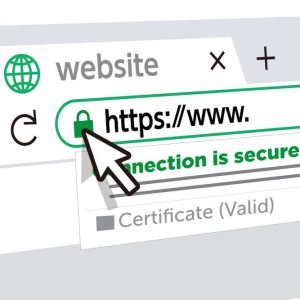
Website security is an important ranking factor. HTTPS encrypts the connection between your website and visitors, protecting their data.
Benefits of HTTPS include:
- Better user trust.
- Improved security.
- Positive SEO impact.
- Browser compatibility.
If your website displays a padlock icon in the browser address bar, it is using HTTPS correctly.
Structured Data (Schema Markup)
Schema Markup is a type of structured data that helps search engines understand your content more effectively.
It can improve how your pages appear in search results by enabling rich snippets such as:
- Star ratings
- FAQs
- Business information
- Product details
- Reviews
Rich results often attract more clicks and improve your website’s visibility.
Fix Broken Links and Crawl Errors
Broken links create a poor user experience and can make it harder for search engines to crawl your website.
Regularly check for:
- 404 error pages.
- Broken internal links.
- Broken external links.
- Redirect loops.
Fixing these issues helps maintain a healthy website structure and improves user satisfaction.
Key Takeaways
Technical SEO is the foundation that supports all other SEO efforts. While content attracts visitors and backlinks build authority, technical optimization ensures your website is accessible, secure, and easy for search engines to understand.
Regular technical audits, combined with quality content and strong on-page optimization, create a solid SEO strategy that supports long-term growth and improved search rankings.
Local SEO: Reach Customers in Your Area
Local SEO is the process of optimizing your online presence so your business appears in local search results. When people search for services such as “SEO agency near me” or “digital marketing company in Delhi”, search engines display businesses that are most relevant to their location.
If your business serves customers in a specific city or region, Local SEO can help you generate more qualified leads and increase your visibility on Google Search and Google Maps.
Why Is Local SEO Important?
Many people search for products and services in their local area before making a purchase. A strong Local SEO strategy helps your business appear when potential customers are actively looking for what you offer.
Some major benefits include:
- Increases local website traffic
- Improves visibility on Google Maps
- Generates more phone calls and inquiries
- Builds trust with local customers
- Helps small businesses compete with larger brands
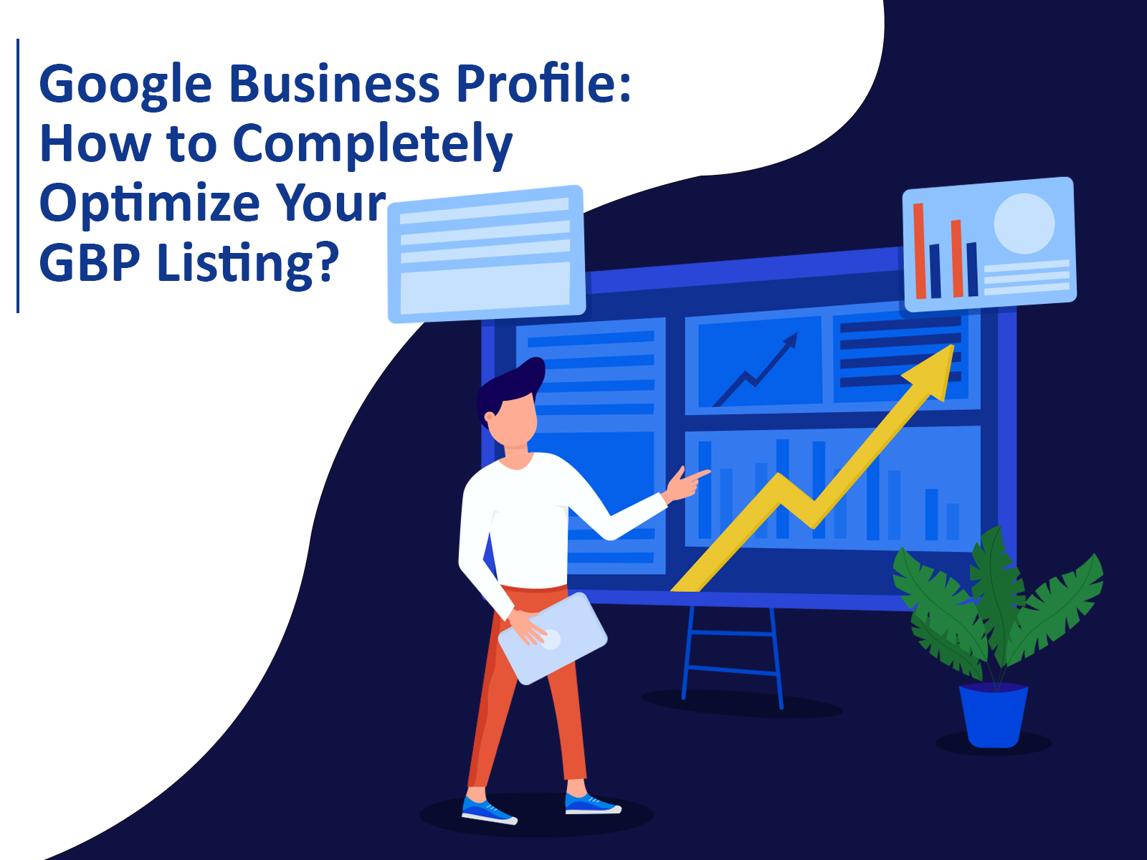
Optimize Your Google Business Profile
A Google Business Profile is one of the most important tools for Local SEO. It allows your business to appear in Google Search and Google Maps with essential information such as your address, phone number, website, business hours, and customer reviews.
To optimize your profile:
- Complete all business details.
- Choose the correct business category.
- Add high-quality photos.
- Keep your opening hours updated.
- Respond to customer reviews.
- Regularly post business updates.
A fully optimized profile increases your chances of appearing in local search results.
Use Local Keywords
Local keywords help search engines understand the areas you serve.
Instead of targeting broad keywords like:
- Digital Marketing Agency
Use more specific phrases such as:
- Digital Marketing Agency in Delhi
- SEO Services in Delhi
- Website Design Company in Delhi
- Local SEO Services in Delhi
Include these keywords naturally in your:
- Page titles
- Meta descriptions
- Headings
- Content
- Image alt text
This helps your website appear for searches related to your location.
Maintain Consistent Business Information (NAP)

NAP stands for:
- Name
- Address
- Phone Number
Your business information should remain consistent across:
- Your website
- Google Business Profile
- Business directories
- Social media profiles
Inconsistent information can confuse search engines and reduce your local search visibility.
Encourage Customer Reviews
Customer reviews play a significant role in Local SEO. Positive reviews build trust and demonstrate that your business provides quality services.
Encourage satisfied customers to leave honest reviews on your Google Business Profile. Always respond politely to both positive and negative feedback.
Businesses with strong ratings and active engagement are more likely to attract new customers.
Build Local Citations
A local citation is any online mention of your business name, address, and phone number.
Examples include:
- Local business directories
- Industry directories
- Chamber of Commerce listings
- Business association websites
Accurate citations strengthen your local presence and improve search engine confidence in your business information.
Create Location-Specific Pages
If your business serves multiple cities, consider creating dedicated landing pages for each location.
For example:
- SEO Services in Delhi
- SEO Services in Noida
- SEO Services in Gurgaon
- Website Design Services in Delhi
Each page should contain unique content tailored to that location rather than duplicating the same text.
Key Takeaways
Local SEO helps businesses connect with customers in their target geographic area. By optimizing your Google Business Profile, maintaining consistent business information, earning customer reviews, and creating location-focused content, you can improve your visibility in local search results and attract more qualified leads.
For businesses that rely on local customers, Local SEO is one of the most effective digital marketing strategies for sustainable growth.
Common SEO Mistakes to Avoid
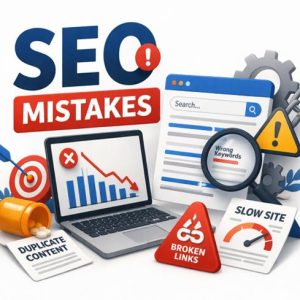
Even the best content can struggle to rank if common SEO mistakes are overlooked. Many beginners focus only on keywords while ignoring other important ranking factors such as user experience, website speed, and content quality.
Avoiding these mistakes can save time and help your website perform better in search results.
1. Keyword Stuffing
Using the same keyword repeatedly throughout your content makes it difficult to read and may negatively affect your rankings.
Instead of forcing keywords into every sentence, use them naturally and include related terms where appropriate.
2. Publishing Low-Quality Content
Search engines prioritize content that is helpful, original, and relevant. Thin or copied content provides little value to users and is less likely to rank well.
Focus on creating articles that answer questions clearly and offer practical information.
3. Ignoring Mobile Users
A website that doesn’t work well on mobile devices can lose both visitors and rankings.
Make sure your website is responsive, easy to navigate, and loads quickly on smartphones and tablets.
4. Slow Website Speed
Visitors expect websites to load quickly. Large images, unnecessary plugins, and poor hosting can slow your website down.
Regularly test your site’s performance and optimize it for faster loading times.
5. Missing Meta Titles and Descriptions
Every important page should have a unique title tag and meta description. These elements help search engines understand your content and encourage users to click on your listing.
Keep titles clear and include your primary keyword where it fits naturally.
6. Not Updating Old Content
SEO isn’t a one-time task. Refreshing older articles with updated information, new examples, and improved internal links helps keep your content relevant.
Updating existing content is often easier than creating a brand-new article.
Best Free SEO Tools
Several free tools can help you improve your website’s SEO without a large budget.
Google Search Console
Monitor your website’s search performance, submit your sitemap, and identify indexing issues.
Google Analytics
Track website visitors, user behavior, and traffic sources.
Google Keyword Planner
Discover keyword ideas and estimate search demand.
Rank Math SEO
A popular WordPress plugin that helps optimize pages, create XML sitemaps, and manage on-page SEO.
Yoast SEO
Another well-known WordPress plugin for optimizing content and improving technical SEO.
Google PageSpeed Insights
Analyze your website’s loading speed and receive recommendations for improving performance.
Expert SEO Tips for Better Rankings
To improve your SEO over time, keep these best practices in mind:
- Focus on creating content that answers real user questions.
- Publish high-quality articles consistently.
- Build internal links between related pages.
- Earn backlinks from trustworthy websites.
- Improve website speed and mobile usability.
- Update older content regularly.
- Monitor performance using Google Search Console.
- Stay informed about changes in search engine algorithms.
SEO is a long-term strategy, and consistent improvement often produces better results than trying to achieve quick wins.
Key Takeaways
Successful SEO requires more than simply adding keywords to a page. It involves creating valuable content, optimizing your website technically, avoiding common mistakes, and continually improving based on performance data.
By following best practices and using the right tools, businesses can build a stronger online presence and attract more organic traffic over time.
Frequently Asked Questions (FAQs)
1. What is SEO in simple words?
SEO (Search Engine Optimization) is the process of improving a website so it appears higher in search engine results. Better rankings can lead to more visitors, increased brand visibility, and more business opportunities.
2. How long does SEO take to show results?
SEO is a long-term strategy. While timelines vary depending on your website, competition, and content quality, noticeable improvements often take several months rather than a few weeks.
3. Is SEO better than Google Ads?
SEO and Google Ads serve different purposes. SEO focuses on long-term organic traffic, while Google Ads can provide immediate visibility through
paid campaigns. Many businesses benefit from using both together.
4. Can I do SEO myself?
Yes. Beginners can learn the basics of SEO and optimize their own websites by creating quality content, improving technical performance, and following best practices. More advanced strategies may require additional experience.
5. Why are keywords important in SEO?
Keywords help search engines understand what a page is about. Choosing relevant keywords and using them naturally makes it easier for the right audience to discover your content.
6. What is the difference between On-Page SEO and Off-Page SEO?
On-Page SEO focuses on optimizing elements on your own website, such as content, headings, and images. Off-Page SEO involves activities outside your website, including earning backlinks and building your online reputation.
7. Does website speed affect SEO?
Yes. Faster websites generally provide a better user experience, and page speed is one of the factors search engines consider when evaluating websites.
8. Is SEO only for Google?
No. SEO can also improve visibility on other search engines, but because Google has the largest market share in many regions, it is often the primary focus.
9. How often should I update my website?
Review your important pages and blog posts regularly. Updating information, adding new insights, and improving content helps keep it useful for visitors.
10. Is SEO worth it for small businesses?
Yes. SEO can help small businesses reach potential customers who are actively searching for their products or services, making it an effective long-term marketing strategy.
Conclusion
Search Engine Optimization is one of the most valuable long-term digital marketing strategies for businesses of all sizes. By creating high-quality content, optimizing your website, improving technical performance, and earning trust through ethical SEO practices, you can steadily increase your visibility in search results.
SEO is an ongoing process rather than a one-time task. Search engines evolve, user behavior changes, and competitors continue improving their websites. Consistently updating your content, monitoring performance, and following best practices will help your website remain competitive over time.
Whether you’re just starting your first website or looking to grow an established business, investing in SEO can help you attract qualified visitors and build a stronger online presence.
Ready to Grow Your Website?
If you’re looking to improve your website’s visibility, attract more qualified traffic, and grow your business through effective SEO strategies, ClickFX is here to help.
Our team provides professional services including:
- Search Engine Optimization (SEO)
- Website Design & Development
- Google Ads (PPC)
- Social Media Marketing
- Content Marketing
- Local SEO
Get in touch with ClickFX today to discuss your goals and discover how a tailored digital marketing strategy can support your business growth.