68708f9c-5ddb-4d59-bd2f-02de136a44ed

Why Every Business Needs a Professional Website

Introduction

In today’s digital world, customers expect every business to have an online presence. Whether you run a small startup, a local shop, or a large company, having a professional business website is no longer optional—it’s essential. A website acts as your digital storefront, allowing potential customers to learn about your business, explore your services, and contact you at any time.

Unlike social media profiles, a website gives you complete control over your brand, content, and customer experience. It also helps establish trust, improve visibility on search engines, and generate valuable leads.

A professionally designed website can become one of your strongest marketing assets, working for your business 24 hours a day, 7 days a week.


What Is a Professional Business Website?

A professional business website is an online platform that represents your brand and provides visitors with important information about your products, services, and company. It is designed with user experience, functionality, and credibility in mind.

A quality business website typically includes:

  • A clean and modern design
  • Mobile-friendly layout
  • Fast loading speed
  • Easy navigation
  • Service or product pages
  • Contact information
  • Secure HTTPS connection
  • Clear call-to-action buttons

More than just an online brochure, a professional website helps convert visitors into customers by offering a seamless and trustworthy experience.

Why Every Business Needs a Website

Consumer behavior has changed dramatically over the past decade. Before making a purchase or contacting a business, most people search online to gather information. If your business doesn’t have a website, potential customers may question your credibility or choose a competitor who has a stronger online presence.

A website makes it easy for customers to:

  • Learn about your business
  • View your products or services
  • Check business hours
  • Read customer testimonials
  • Contact you directly
  • Request a quote or consultation
  • Whether you’re a service provider, retailer, consultant, or agency, a website helps you connect with customers and showcase your expertise.


Benefits of Having a Professional Website

A professionally designed website offers much more than just an online presence. It creates opportunities to grow your business, build trust, and reach a wider audience.

1. Builds Credibility

Customers often judge a business based on its online presence. A modern, well-designed website shows that your company is professional, trustworthy, and committed to providing quality services.

2. Available 24/7

Unlike a physical office or store, your website is accessible around the clock. Visitors can learn about your business, browse services, and send inquiries at any time, even outside regular business hours.

3. Supports Marketing Efforts

Your website acts as the central hub for all your digital marketing activities. Whether you’re running SEO campaigns, Google Ads, email marketing, or social media promotions, your website is where potential customers can learn more and take action.

4. Showcases Your Services

A website allows you to present your services in detail with images, descriptions, pricing (if applicable), and customer success stories. This helps visitors understand what you offer and why they should choose your business.

5. Generates Qualified Leads

With contact forms, call-to-action buttons, and landing pages, your website can encourage visitors to request information, schedule consultations, or make purchases. This makes it a powerful tool for generating leads and supporting business growth.

Key Takeaways

A professional business website is one of the most valuable investments a company can make. It strengthens your brand, builds customer trust, supports marketing campaigns, and provides a reliable platform for attracting and converting new customers.

As technology continues to shape consumer behavior, businesses with a strong online presence will be better positioned to compete and grow in an increasingly digital marketplace.

How a Professional Website Builds Trust and Credibility

Trust is one of the most important factors when customers decide whether to do business with a company. Before contacting a business or making a purchase, most people research online. A professional website creates a positive first impression and reassures visitors that your business is legitimate, reliable, and experienced.

A well-designed website with clear information, customer testimonials, service descriptions, and contact details makes people feel more confident about choosing your business over competitors.

Businesses without a website often lose potential customers simply because people cannot verify their credibility online.

Your Business Is Open 24/7

Unlike a physical office that operates during fixed business hours, a website works around the clock. Whether someone visits your website at 2 PM or 2 AM, they can access information about your business instantly.

Your website allows visitors to:

  • Learn about your services
  • View pricing or packages
  • Read customer reviews
  • Fill out contact forms
  • Request quotations
  • Schedule consultations

This continuous availability increases the chances of generating leads even while you are away from your office.

For service-based businesses, a website acts like a dedicated salesperson who never takes a break.


Reach Customers Beyond Your Local Area

A professional website removes geographical limitations. Instead of depending only on customers in your neighborhood, your business becomes accessible to people searching online from different cities, states, or even countries.

For example, if your company provides website development or digital marketing services, clients from anywhere can discover your business through Google Search.

Expanding your online reach creates more opportunities for growth without opening additional physical locations.

Generate More Leads and Sales

One of the biggest advantages of having a professional business website is its ability to convert visitors into customers.

Your website can encourage users to take action through:

  • Contact forms
  • Call-to-action buttons
  • WhatsApp chat integration
  • Appointment booking forms
  • Free consultation requests
  • Newsletter subscriptions

Every visitor who submits an inquiry becomes a potential customer. With the right design and content, your website becomes an effective lead generation tool.

Additionally, integrating analytics tools helps you understand visitor behavior and continuously improve your conversion rates.

Website vs. Social Media: Why You Need Both

Many businesses rely only on social media platforms such as Facebook or Instagram. While these platforms are valuable for connecting with audiences, they should not replace a professional website.

A website offers several advantages that social media cannot:

Professional Website Social Media
Full control over content and design Limited customization
Own domain name Dependent on third-party platforms
Better SEO opportunities Limited search engine visibility
Higher credibility Primarily for engagement
Long-term business asset Platform rules can change

Social media should drive traffic to your website, where visitors can learn more about your business and take meaningful actions.

The combination of a strong website and active social media presence creates a more effective digital marketing strategy than relying on either one alone.

Strengthen Your Brand Identity

Your website is one of the best places to showcase your brand personality. Through your logo, colors, typography, content, and visuals, you create a consistent identity that customers remember.

A professional website helps communicate:

  • Your company mission
  • Brand values
  • Unique selling points
  • Customer success stories
  • Industry expertise

Consistent branding across your website and other marketing channels increases recognition and helps your business stand out in a competitive market.


Key Takeaways

A professional website does far more than display information about your business. It builds trust, remains accessible around the clock, attracts customers from a wider audience, generates valuable leads, and strengthens your brand identity.

When combined with social media and digital marketing strategies, your website becomes the foundation of your online presence and a powerful tool for long-term business growth.

Essential Features Every Professional Business Website Must Have

Imagine visiting a business website that takes forever to load, has confusing menus, and doesn’t even tell you what the company does. Chances are you’d leave within

 seconds.

Now imagine landing on a clean, modern website that clearly explains its services, answers your questions, and makes it easy to get in touch. That’s the difference a well-designed website can make.

A professional website isn’t just about looking attractive—it’s about creating a smooth experience that helps visitors become customers.

1. A Homepage That Makes a Great First Impression

Your homepage is often the first interaction someone has with your business. Within just a few seconds, visitors decide whether they want to stay or leave.

That’s why your homepage should immediately answer three simple questions:

  • Who are you?
  • What do you offer?
  • Why should someone choose you?

Instead of overwhelming visitors with too much information, focus on a clear headline, a short introduction, and a strong call-to-action such as “Get a Free Quote” or “Book a Consultation.”

Think of your homepage as a friendly welcome—it should guide visitors, not confuse them.


2. An About Us Page That Builds Confidence

People don’t just buy products or services—they buy from businesses they trust.

Your About Us page is your opportunity to introduce your company, share your story, and explain what makes your business different.

Instead of writing a few generic lines, talk about:

  • Why your business was started
  • Your experience and expertise
  • Your mission and values
  • How you help your customers

A genuine story creates a personal connection and helps visitors feel more confident about working with you.

3. Service Pages That Answer Customer Questions

One common mistake businesses make is listing their services without explaining them.

Instead of simply writing “Website Development” or “SEO Services,” explain:

  • What the service includes
  • Who it’s designed for
  • The problems it solves
  • The benefits customers can expect

When visitors understand exactly how your service can help them, they’re much more likely to contact you.

Clear service pages also perform better in search engines because they provide valuable information that users are actively searching for.


4. A Contact Page That’s Easy to Use

Imagine someone is ready to hire your business but can’t find your phone number or contact form.


That single frustration could cost you a valuable customer.

Your contact page should include:

  • Phone number
  • Email address
  • Business address (if applicable)
  • Contact form
  • Google Maps location
  • Business hours
  • Social media links

The easier it is for people to reach you, the more inquiries you’ll receive.

5. Real Testimonials That Build Trust

Before making a purchase, many people want reassurance that others have had a positive experience.

That’s where testimonials become incredibly valuable.

Sharing genuine customer feedback helps potential clients feel more confident about choosing your business.

If possible, include:

  • Customer names
  • Company names
  • Profile photos (with permission)
  • Short success stories
  • Google review ratings

Authentic testimonials often influence buying decisions more than advertising alone.


6. A Blog That Keeps Your Website Growing

A business website shouldn’t remain unchanged for months.

Publishing useful blog articles helps you:

  • Answer customer questions
  • Share industry knowledge
  • Improve your Google rankings
  • Attract organic traffic
  • Build authority in your niche

For example, if you own a digital marketing agency, articles about SEO, website development, Google Ads, and social media marketing can bring visitors who are already interested in your services.

Over time, your blog becomes a valuable resource that works alongside your sales and marketing efforts.

7. Strong Call-to-Action Buttons

Every page on your website should encourage visitors to take the next step.

Whether you want someone to request a quote, book a meeting, or contact your team, make your call-to-action clear and easy to find.

Some effective examples include:

  • Get a Free Consultation
  • Request a Quote
  • Contact Our Team
  • Start Your Project
  • Schedule a Call

A clear call-to-action removes uncertainty and helps turn visitors into potential customers.


Small Details That Make a Big Difference

Sometimes it’s the smallest details that create the biggest impact.

Simple improvements such as readable fonts, consistent colors, high-quality images, and well-spaced content make your website feel more professional.

Visitors may not consciously notice these details, but they influence how trustworthy and credible your business appears.

A polished website reflects the same level of professionalism that customers expect from your products or services.


Key Takeaways

A successful business website is much more than an attractive design. It should guide visitors, answer their questions, build trust, and make it easy for them to take action.

By focusing on clear messaging, useful content, intuitive navigation, and a seamless user experience, you create a website that not only looks professional but also supports your business goals.

A Great Website Is More Than Just Good Design

Many business owners believe that once a website looks attractive, the job is done. In reality, design is only one piece of the puzzle.

A successful business website should be fast, secure, mobile-friendly, and optimized for search engines. These factors not only improve the visitor’s experience but also influence whether someone chooses your business over a competitor.

Let’s look at the elements that truly make a website perform well.

Why Website Speed Matters More Than You Think

Have you ever clicked on a website that kept loading… and loading… until you finally closed it?

You’re not alone.

Most visitors expect a website to load quickly. If it doesn’t, they’ll often leave before they’ve even seen your products or services.

A slow website can lead to:

  • Higher bounce rates
  • Lower customer engagement
  • Fewer inquiries and sales
  • Poor search engine rankings

Improving website speed isn’t just about pleasing Google—it’s about respecting your visitors’ time.

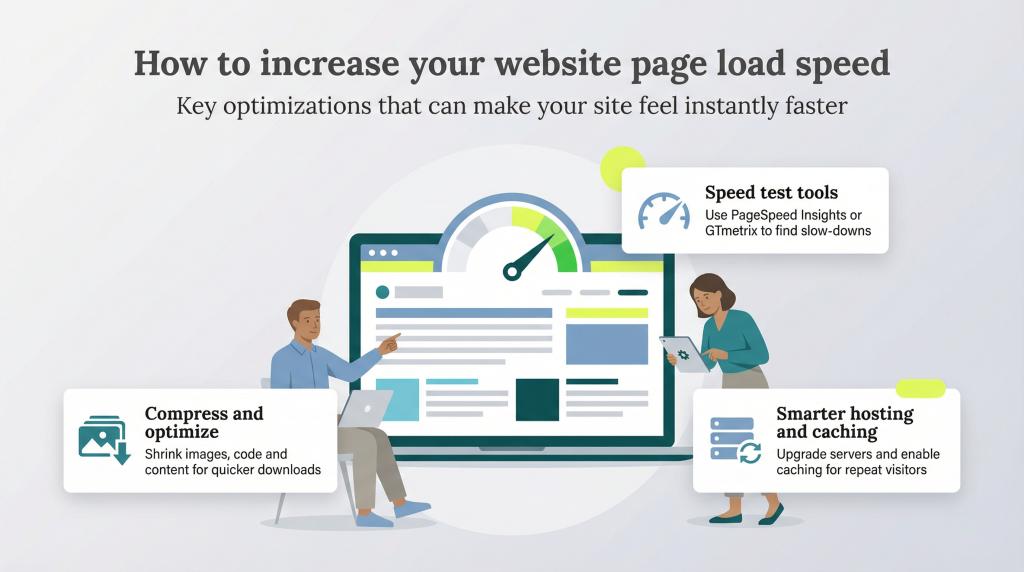
Some simple ways to improve speed include:

  • Compressing images before uploading them
  • Using fast web hosting
  • Removing unnecessary plugins
  • Enabling browser caching
  • Keeping themes and plugins updated

A fast website creates a smoother experience and leaves a positive first impression.

Mobile-Friendly Design Is No Longer Optional

Take a moment to think about how often you browse websites on your phone. Chances are, your customers do exactly the same.

Today, a large percentage of website traffic comes from mobile devices. If your website isn’t easy to use on a smartphone, visitors may struggle to read your content, navigate your pages, or contact your business.

A mobile-friendly website should:

  • Automatically adjust to different screen sizes
  • Display readable text without zooming
  • Have buttons that are easy to tap
  • Load quickly on mobile networks
  • Provide a smooth browsing experience

Google also uses mobile-first indexing, meaning it primarily evaluates the mobile version of your website when determining search rankings.

Simply put, if your website doesn’t work well on mobile, you’re likely missing valuable opportunities.


Website Security Builds Customer Confidence

Imagine visiting a website that displays a warning saying, “This site is not secure.”

Would you feel comfortable entering your contact details or making a purchase?

Probably not.

Website security is essential for protecting both your business and your customers. Installing an SSL certificate enables HTTPS, which encrypts information shared between your website and its visitors.

A secure website helps:

  • Protect customer data
  • Build trust
  • Improve credibility
  • Support better search visibility
  • Reduce security risks

The small padlock icon in your browser’s address bar may seem simple, but it sends a powerful message that your website is safe to use.

A Website Can Strengthen Your SEO

One of the biggest advantages of having a professional website is that it gives your business the opportunity to appear in Google Search.

Every service page, blog article, and landing page can target keywords that potential customers are searching for.

For example, if someone searches for:

  • Website Development Company
  • Professional Website Design
  • SEO Services
  • Digital Marketing Agency

A well-optimized website has the chance to appear in those search results and attract visitors without relying entirely on paid advertising.

Publishing useful blog content regularly also helps search engines recognize your website as a valuable source of information, which can improve your long-term visibility.

Common Website Mistakes That Cost Businesses Customers

Not every website helps a business grow. In fact, some websites unintentionally drive visitors away.

Here are a few common mistakes:

Outdated Design

An old-fashioned website can make your business appear less professional.

Slow Loading Pages

Visitors rarely wait for slow websites to load.

Confusing Navigation

If people can’t find what they’re looking for quickly, they’ll leave.

Missing Contact Information

Customers shouldn’t have to search for your phone number or email address.

No Clear Call-to-Action

If visitors don’t know what to do next, many will leave without contacting you.

Poor Mobile Experience

A website that works only on desktops misses a large portion of today’s audience.

Avoiding these issues creates a smoother experience and increases the chances of converting visitors into customers.


Investing in Your Website Is Investing in Your Business

Think of your website as a long-term business asset rather than an expense.

Unlike traditional advertising that stops generating results once your budget runs out, a well-maintained website continues working for your business every day. It can attract visitors, answer customer questions, generate leads, and support your marketing efforts for years.

The more attention you give to speed, security, user experience, and search engine optimization, the greater the value your website can deliver over time.


Key Takeaways

A professional website isn’t successful because it looks beautiful—it’s successful because it performs well.

Fast loading speeds, mobile responsiveness, strong security, SEO optimization, and a user-friendly experience all work together to build trust and help your business grow.

When these elements are combined with valuable content and a clear message, your website becomes one of the most effective marketing tools your business can have.


Frequently Asked Questions (FAQs)

1. Why does every business need a professional website?

A professional website gives your business an online presence where potential customers can learn about your products or services, contact you, and build trust in your brand. It also supports digital marketing efforts and helps attract customers through search engines.


2. Is a website necessary if my business is already on social media?

Yes. Social media platforms are excellent for engaging with your audience, but they don’t replace a website. A website gives you complete control over your content, branding, and customer experience. It also improves your chances of appearing in Google search results.


3. How much does it cost to build a professional website?

The cost depends on factors such as the number of pages, design complexity, required features, and whether you need custom development. A basic business website usually costs less than a large e-commerce or custom web application.


4. How long does it take to build a business website?

A simple business website can often be completed within a few weeks, while larger or more complex projects may take longer depending on

the features and revisions involved.


5. Can a website help generate more customers?

Absolutely. A well-designed website can attract visitors through SEO, paid advertising, and social media. With clear calls to action, contact forms, and valuable content, it becomes a powerful lead generation tool.

6. Why is mobile-friendly design important?

Most people browse the internet on their smartphones. A responsive website ensures that visitors can easily navigate your site on any device, improving both user experience and search engine rankings.


7. How often should a business website be updated?

Your website should be updated regularly with fresh content, new blog posts, service updates, security patches, and design improvements. Regular updates keep your website relevant and secure.


8. Does having a website improve SEO?

Yes. A professional website allows you to optimize pages for relevant keywords, publish helpful content, and improve technical performance, all of which contribute to better visibility in search engine results.


9. What pages should every business website include?

Most business websites should have:

  • Home
  • About Us
  • Services
  • Contact
  • Blog
  • Privacy Policy
  • Testimonials or Reviews

These pages provide visitors with the information they need while helping establish credibility.


10. What is the biggest mistake businesses make with their websites?

One of the most common mistakes is creating a website and then leaving it untouched for months or years. A successful website should evolve with your business through regular updates, fresh content, and ongoing optimization.

Final Thoughts

A professional website is much more than an online brochure—it’s one of the most valuable assets your business can own. It works around the clock, helping people discover your brand, understand your services, and connect with you whenever they’re ready.

Whether someone finds you through Google, social media, or a recommendation, your website is often where they decide if they can trust your business. A fast, well-designed, and informative website creates confidence and encourages visitors to take the next step.

As technology continues to evolve, businesses that invest in a strong online presence will be better positioned to attract new customers and stay ahead of the competition.


Ready to Build a Website That Works for Your Business?

If you’re looking for a website that not only looks professional but also helps your business grow, ClickFX is here to help.

We create modern, responsive, and SEO-friendly websites designed to deliver a great user experience and support your business goals.

Our website development services include:

  • Custom Business Websites
  • WordPress Website Development
  • Responsive Website Design
  • Landing Pages
  • E-commerce Website Development
  • Website Redesign
  • Website Maintenance & Support
  • SEO-Optimized Website Structure

Whether you’re starting from scratch or planning to upgrade your existing website, our team is ready to help you build a website that represents your brand and drives results.

Get in touch with ClickFX today and let’s create a website that helps your business grow online.
8bd5111c-0ede-4770-bf20-f8a29975d8fc

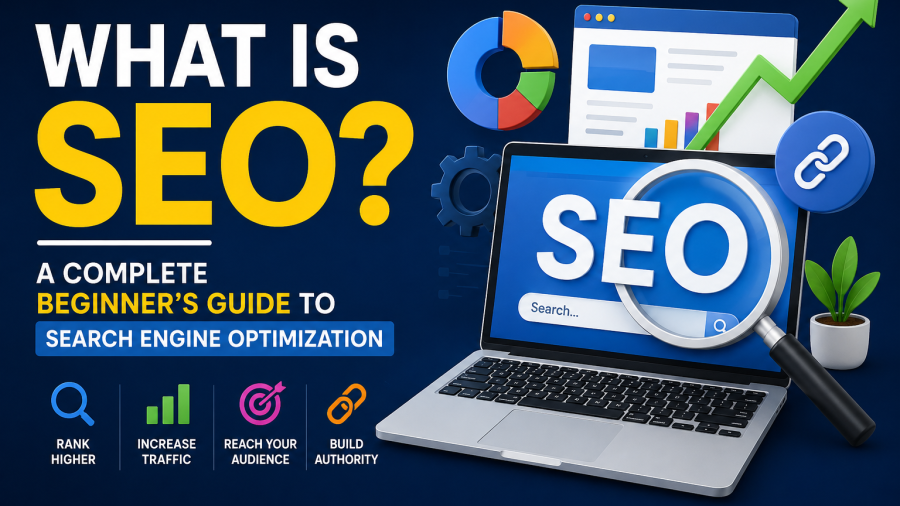
What Is SEO? A Complete Beginner’s Guide

Introduction

Search Engine Optimization (SEO) is one of the most effective digital marketing strategies for increasing a website’s visibility on search engines like Google. Whether you own a small business, run an online store, or manage a personal blog, SEO helps attract visitors without paying for ads.

Every day, millions of people search for products, services, and information online. If your website appears on the first page of Google, you have a much better chance of getting traffic, leads, and customers. That’s why businesses of all sizes invest in SEO to grow their online presence.

In this guide, you’ll learn what SEO is, how it works, why it’s important, the different types of SEO, and practical tips you can start using today.

What Is SEO?

SEO stands for Search Engine Optimization. It is the process of improving a website so that it ranks higher in search engine results pages (SERPs). The higher your website ranks, the more likely people are to visit it.

SEO involves optimizing your website’s content, structure, speed, and authority so search engines can understand your pages and recommend them to users searching for related topics.

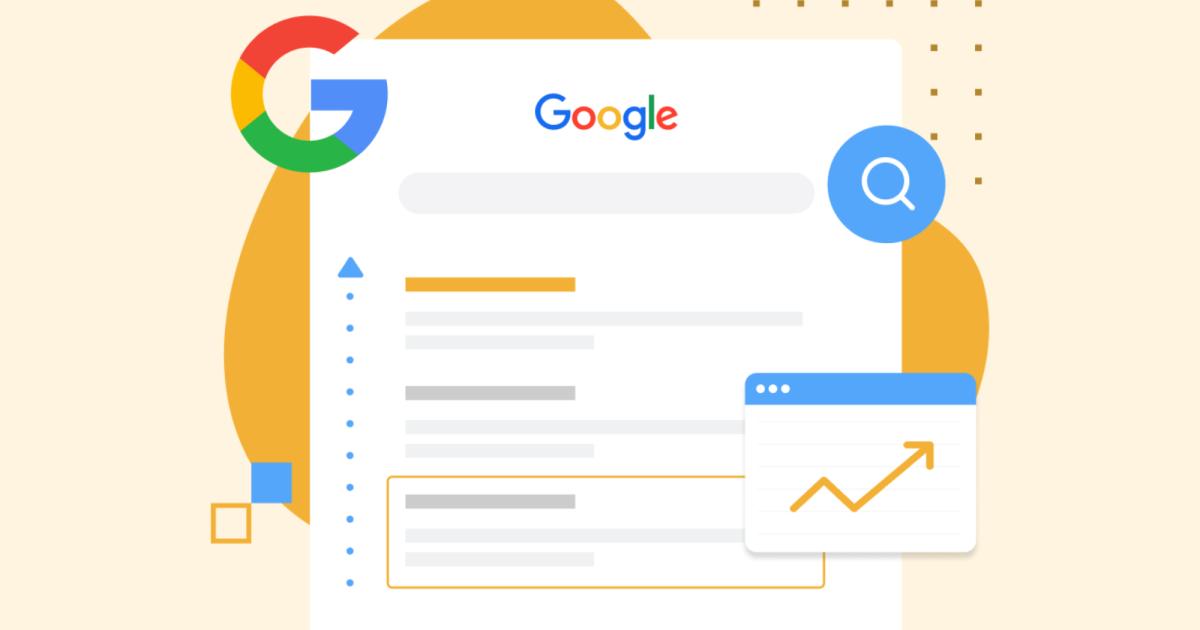
For example, if someone searches for “best digital marketing agency”, Google analyzes thousands of websites and displays the most relevant and trustworthy results. SEO helps your website become one of those results.

Why Is SEO Important?

SEO provides long-term benefits that paid advertising cannot always match. Some of the biggest advantages include:

  • Increases organic website traffic
  • Builds trust and credibility
  • Improves user experience
  • Generates high-quality leads
  • Offers long-term results
  • Provides a better return on investment compared to many paid marketing methods
  • Helps businesses compete with larger companies

Unlike paid advertisements, organic traffic continues even after you stop spending on ads, making SEO one of the most cost-effective marketing strategies.

How Do Search Engines Work?

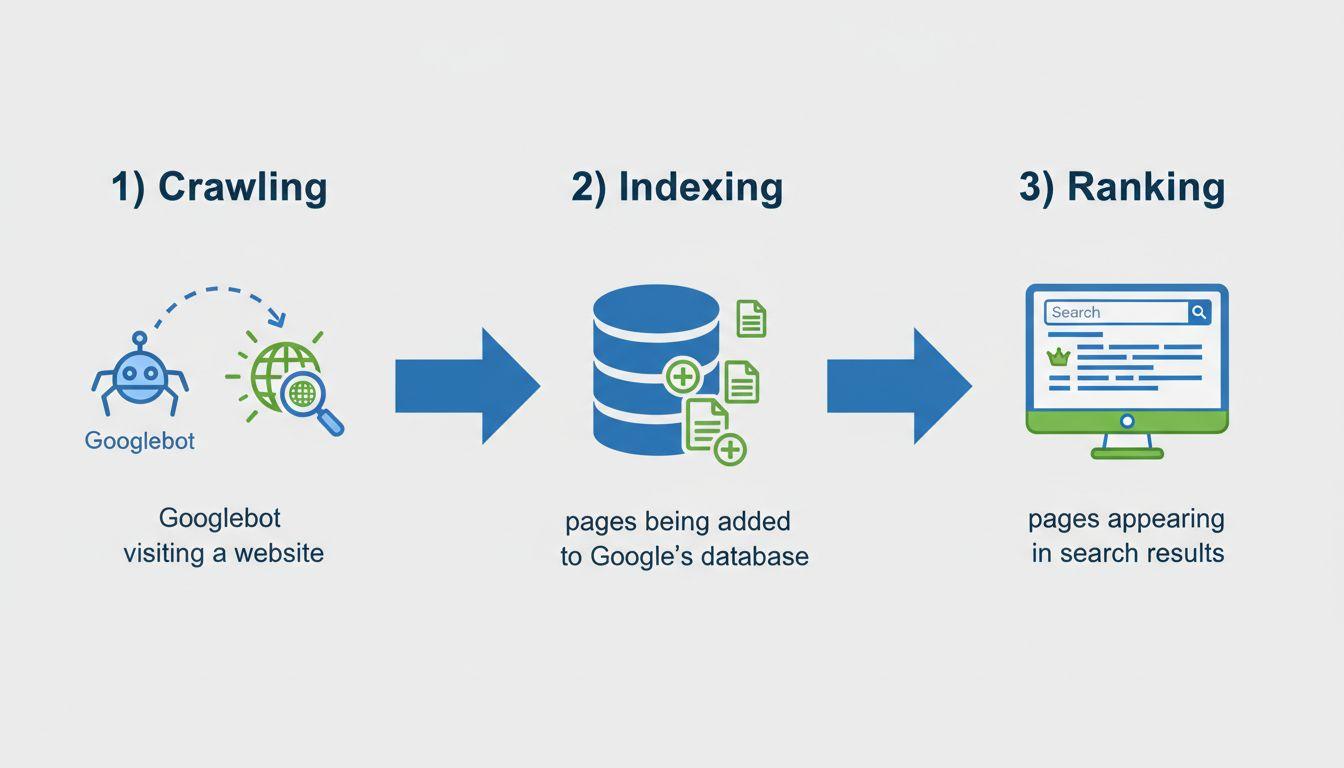
Search engines like Google follow three basic steps:

1. Crawling

Google uses automated bots called crawlers to discover new and updated web pages across the internet.

2. Indexing

After crawling a page, Google stores it in its database, known as the index.

3. Ranking

When someone performs a search, Google evaluates hundreds of ranking factors to decide which pages should appear first based on relevance, quality, and user experience.

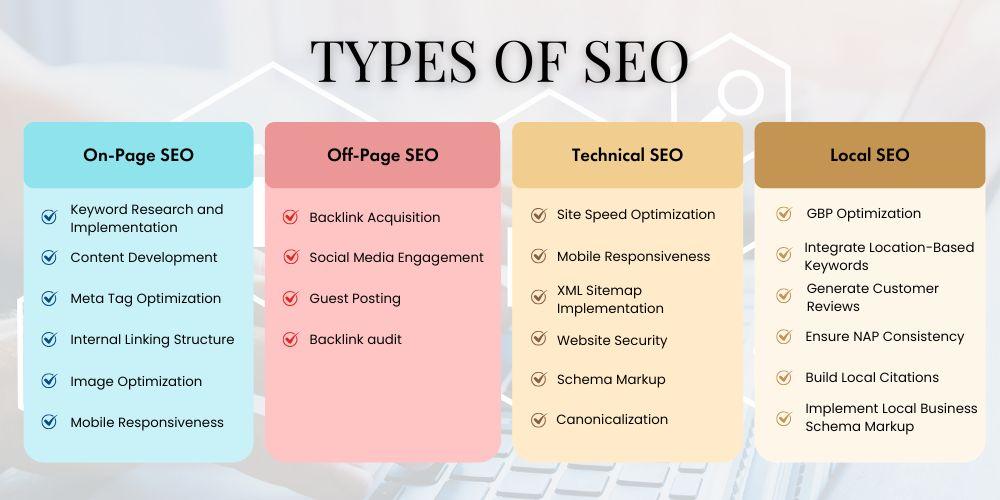
Types of SEO

1. On-Page SEO

On-page SEO focuses on optimizing the content and elements within your website.

Examples include:

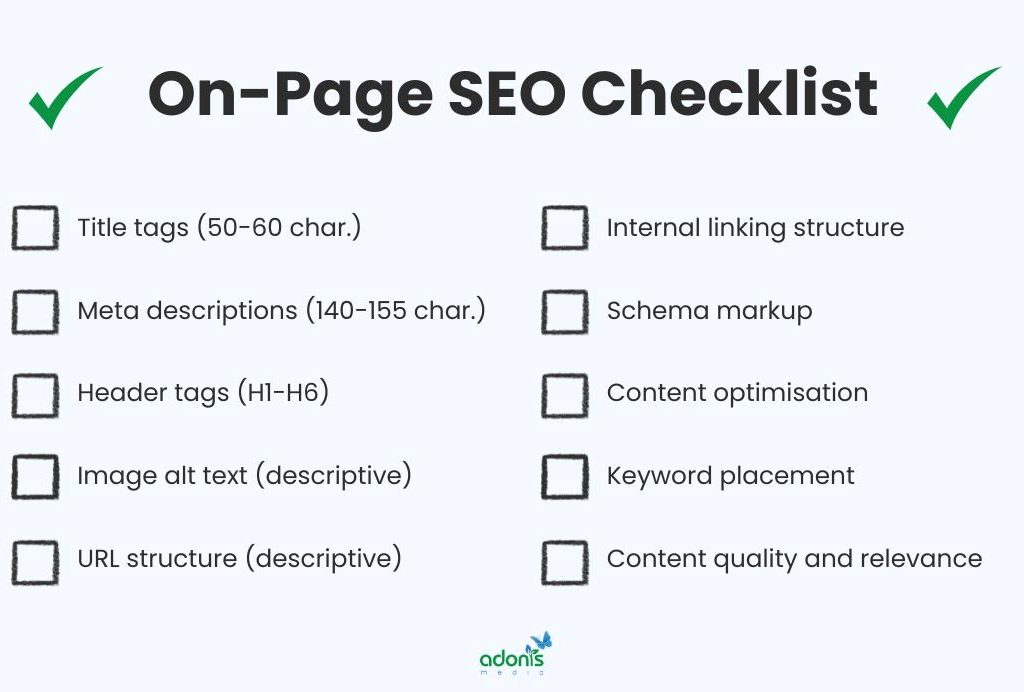
  • Keyword optimization
  • High-quality content
  • Proper heading structure
  • Internal linking
  • Meta titles and descriptions
  • Image optimization
  • URL optimization

2. Off-Page SEO

Off-page SEO improves your website’s authority through external signals.

Examples include:

  • Backlinks from trusted websites
  • Brand mentions
  • Guest blogging
  • Social media sharing
  • Digital PR

3. Technical SEO

Technical SEO ensures your website is easy for search engines to crawl and provides a good user experience.

It includes:

  • Website speed optimization
  • Mobile-friendly design
  • HTTPS security
  • XML sitemap
  • Robots.txt configuration
  • Fixing broken links
  • Structured data (Schema)

4. Local SEO

Local SEO helps businesses appear in local search results.

Examples include:

  • Optimizing your Google Business Profile
  • Getting customer reviews
  • Local keyword optimization
  • Consistent business information across directories

Benefits of SEO for Businesses

In today’s digital world, having a website is only the first step. The real challenge is getting potential customers to find it. Search Engine Optimization (SEO) helps businesses improve their online visibility, attract qualified visitors, and build long-term credibility. Unlike paid advertising, SEO focuses on earning organic traffic, making it a sustainable strategy for growth.

Businesses that invest in SEO can reach people who are already searching for their products or services. This means the visitors coming to your website are more likely to become customers because they have genuine interest in what you offer.

Key Benefits of SEO

1. Increases Organic Website Traffic

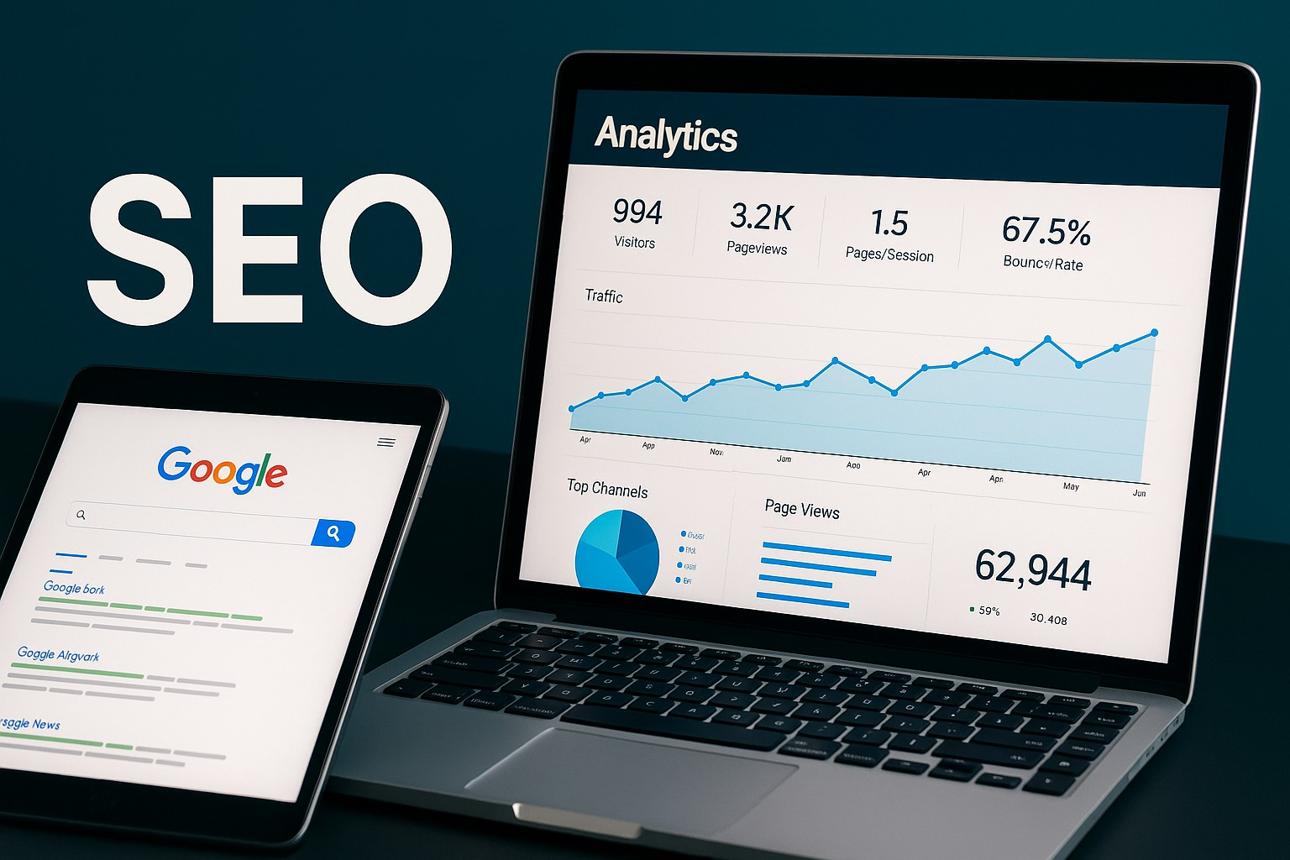
SEO helps your website appear higher in search engine results. When your pages rank on the first page of Google, they receive significantly more clicks than lower-ranking pages. This increase in visibility brings consistent organic traffic without paying for every visitor.

Organic website traffic growth through SEO

2. Builds Trust and Credibility

Users generally trust websites that rank at the top of search results. High-quality content, secure browsing (HTTPS), fast loading speed, and positive user experience all contribute to building trust with both search engines and visitors.

Businesses that consistently publish valuable content are more likely to become recognized as experts in their industry.

3. Improves User Experience

Modern SEO is not only about keywords. Google also considers how users interact with your website. Fast loading pages, mobile-friendly layouts, easy navigation, and useful content create a better experience for visitors.

A positive user experience often leads to lower bounce rates, longer session durations, and more conversions.

SEO improves user experience and website performance

4. Generates High-Quality Leads

Unlike traditional advertising, SEO targets people who are actively searching for specific information, products, or services. Because these users already have intent, they are more likely to take action, such as filling out a contact form, requesting a quote, or making a purchase.

For example, someone searching for “best SEO agency in Delhi” is already looking for professional SEO services. Ranking for that keyword can bring valuable business opportunities.

5. Delivers Long-Term Results

Paid advertisements stop generating traffic as soon as you stop paying. SEO, however, can continue bringing visitors for months or even years if your content remains useful and up to date.

Although SEO requires time and consistent effort, the long-term return on investment often makes it one of the most cost-effective digital marketing strategies.

Long-term business growth with SEO

How SEO Helps Increase Website Traffic

SEO increases website traffic by helping search engines understand your content and match it with relevant user searches. When your pages are properly optimized, they have a better chance of appearing for keywords your audience is searching.

The process generally works like this:

  • You publish valuable, keyword-focused content.
  • Search engines crawl and index your pages.
  • Google evaluates your page quality and relevance.
  • Users searching for related topics discover your content.
  • More visitors lead to more inquiries, leads, and potential customers.

As you continue publishing helpful content and improving your website, your authority grows, making it easier to rank for additional keywords over time.

On-Page SEO: The Foundation of Higher Rankings

On-page SEO refers to the process of optimizing individual web pages so they can rank higher in search engine results and provide a better experience for visitors. Unlike off-page SEO, which focuses on external factors like backlinks, on-page SEO gives you complete control over your website’s content and structure.

A well-optimized page helps search engines understand what your content is about while making it easier for users to find the information they need.

Essential On-Page SEO Elements

1. Create High-Quality Content

Content is the most important part of any SEO strategy. Google aims to show users helpful, original, and trustworthy information. Instead of writing just to include keywords, focus on answering real questions and solving real problems.

High-quality content should:

  • Be original and informative.
  • Cover the topic in depth.
  • Be easy to read.
  • Include examples where relevant.
  • Stay updated over time.

The more useful your content is, the more likely it is to rank well and keep visitors engaged.


2. Use Your Primary Keyword Naturally


Your primary keyword should appear in important places without sounding forced. Keyword stuffing can hurt readability and may negatively affect rankings.

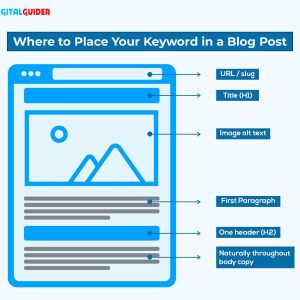
Include your primary keyword in:

  • The page title (H1)
  • The first paragraph
  • At least one H2 heading
  • The meta title
  • The meta description
  • The URL
  • Image alt text (where relevant)

Use related keywords naturally throughout the article to provide context rather than repeating the exact phrase excessively.

3. Write Clear Headings

A good heading structure improves readability and helps search engines understand your content.

A typical structure looks like this:

  • H1: Main page title
  • H2: Main sections
  • H3: Subsections
  • H4: Additional details when needed

Avoid skipping heading levels unnecessarily, and make your headings descriptive so readers can quickly scan the page.


4. Optimize Your Images

Images make articles more engaging, but they should also be optimized for performance and SEO.

Best practices include:

  • Compress images before uploading.
  • Use descriptive file names.
  • Add meaningful alt text.
  • Choose modern formats like WebP when possible.
  • Resize images to fit your layout instead of uploading oversized files.

Optimized images help pages load faster and improve accessibility.

5. Use SEO-Friendly URLs

A clean URL helps both users and search engines understand the page topic.

Good URL

https://clickfx.in/what-is-seo/

Poor URL

https://clickfx.in/post?id=12345

Keep URLs:

  • Short
  • Descriptive
  • Easy to read
  • Focused on the primary topic

Avoid unnecessary numbers, symbols, or long strings of words.


6. Add Internal Links

Internal links connect related pages on your website. They help visitors discover more content and allow search engines to understand your site’s structure.

For example, if someone is reading about SEO, you can link to:

  • Your SEO Services page
  • A future blog on Keyword Research
  • A guide on Technical SEO
  • A Local SEO article

This keeps users engaged and distributes authority across your website.

7. Improve Page Speed

Page speed is an important ranking factor and has a direct impact on user experience. Slow websites often have higher bounce rates because visitors leave before the page finishes loading.

To improve speed:

  • Compress images.
  • Enable browser caching.
  • Minify CSS and JavaScript.
  • Use a reliable hosting provider.
  • Reduce unnecessary plugins.
  • Use a Content Delivery Network (CDN) if needed.

A faster website keeps visitors engaged and supports better search performance.

Off-Page SEO: Building Authority Beyond Your Website

While on-page SEO focuses on optimizing your website, off-page SEO involves activities outside your website that help improve its authority, trust, and rankings. Search engines consider these external signals to determine whether your content is reliable and valuable.

Think of off-page SEO as your website’s online reputation. The more trusted websites mention or link to your content, the more confidence search engines have in your website.

Why Is Off-Page SEO Important?

Even if your content is excellent, it can be difficult to rank if search engines don’t see your website as trustworthy. Off-page SEO helps build that trust by increasing your website’s authority through backlinks, mentions, and positive online signals.

Some major benefits include:

  • Improves search engine rankings
  • Builds website authority
  • Increases referral traffic
  • Strengthens brand recognition
  • Helps search engines trust your website

What Are Backlinks?

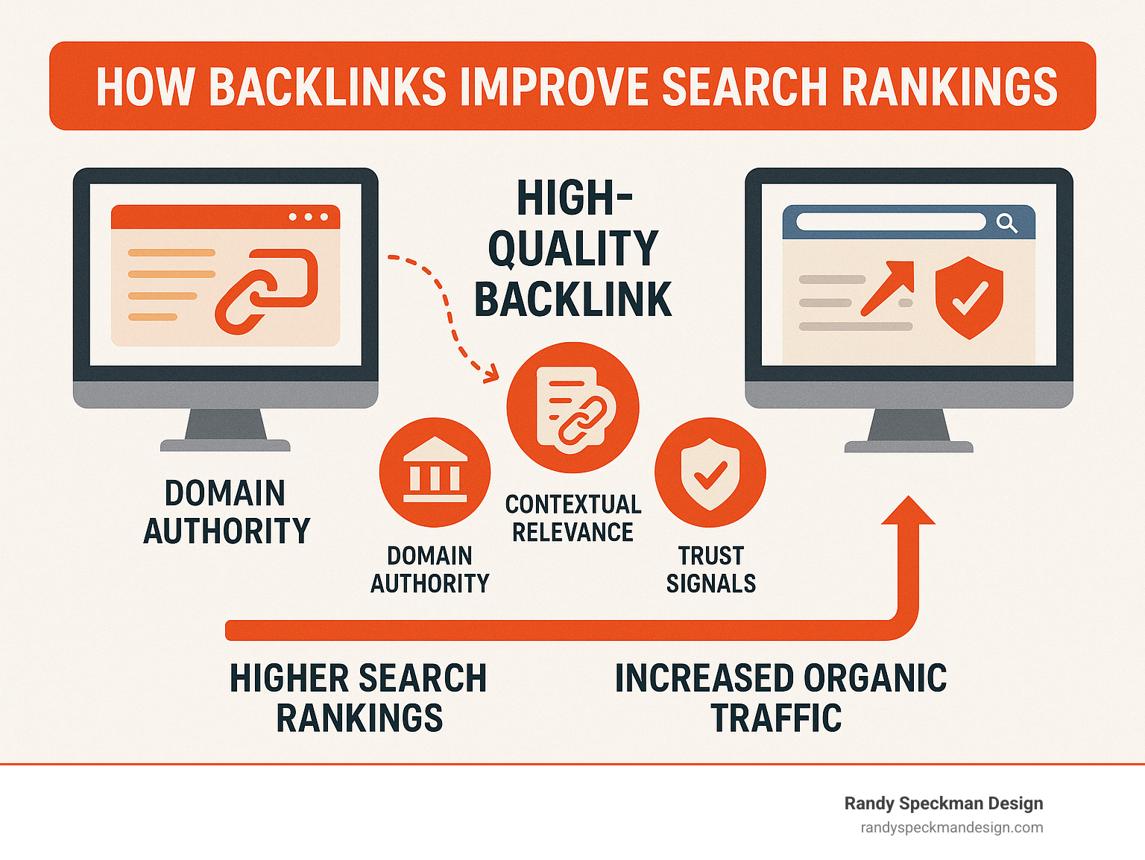
Backlinks are links from one website to another. When another trusted website links to your content, it’s like a recommendation.

For example, if a respected marketing blog links to your SEO guide, Google sees that as a positive signal that your content is valuable.

However, quality matters more than quantity. A few links from trusted websites are generally more valuable than many links from low-quality or spammy sites.

Types of Backlinks

1. Natural Backlinks

These are earned when other websites voluntarily link to your content because they find it useful.


Example:
A blogger references your SEO guide in their article.


2. Guest Post Backlinks

Writing articles for reputable websites allows you to include a link back to your own website.

Guest posting can help:

  • Reach a wider audience
  • Build authority
  • Generate referral traffic
  • Improve SEO

3. Directory Backlinks

Listing your business in trusted online directories can improve visibility, especially for local businesses.

Examples include:

  • Business directories
  • Industry-specific directories
  • Professional listings

Brand Mentions

Search engines also pay attention to how often your brand is mentioned online. Even when a website doesn’t link directly to you, consistent mentions can help strengthen your online presence.

Brand mentions can come from:

  • Blogs
  • News websites
  • Forums
  • Social media
  • Industry publications

Building a recognizable brand encourages more people to search for your business directly.


Social Media and SEO

Although social media links are not considered traditional ranking factors, they can still support your SEO efforts.

Sharing your content on platforms like LinkedIn, Facebook, Instagram, and X can:

  • Increase visibility
  • Drive more visitors to your website
  • Encourage content sharing
  • Create opportunities for natural backlinks

The more people discover your content, the higher the chances that other websites will reference it.

Best Off-Page SEO Practices

To build long-term authority, focus on these proven strategies:

  • Publish valuable and original content.
  • Earn backlinks from reputable websites.
  • Write guest posts for relevant blogs.
  • Share content consistently on social media.
  • Build relationships with industry professionals.
  • Encourage satisfied clients to mention your business online.
  • Monitor your backlink profile regularly.
  • Avoid buying backlinks or using spammy link-building techniques.

Common Off-Page SEO Mistakes

Avoid these mistakes, as they can harm your website’s reputation:

  • Buying low-quality backlinks
  • Participating in link farms
  • Posting duplicate guest articles
  • Ignoring backlink quality
  • Using irrelevant directories
  • Building too many links too quickly
  • Neglecting your online reputation

Search engines value natural, high-quality links over artificial link-building methods.

Key Takeaways

Off-page SEO strengthens your website’s reputation by earning trust from other websites and online communities. High-quality backlinks, positive brand mentions, and valuable content all contribute to better rankings over time.

Rather than chasing hundreds of links, focus on creating content that people genuinely want to reference and share. A strong off-page SEO strategy supports sustainable growth and helps your website compete for more competitive keywords.

Technical SEO: Optimizing Your Website for Better Performance


Technical SEO focuses on improving your website’s infrastructure so search engines can easily crawl, index, and understand your content. While high-quality content is essential, even the best articles may struggle to rank if your website has technical issues.

A technically optimized website provides a better user experience, loads faster, and makes it easier for search engines like Google to discover and rank your pages.

Why Is Technical SEO Important?

Technical SEO ensures that your website performs well for both users and search engines. It helps improve website speed, mobile usability, security, and crawlability.

Some key benefits include:

  • Faster page loading
  • Better Google rankings
  • Improved user experience
  • Easier indexing of web pages
  • Higher conversion rates

A website that is technically sound gives search engines confidence that it can provide a quality experience to users.


Website Speed Optimization

Website speed is one of the most important technical SEO factors. Visitors expect pages to load quickly, and slow-loading websites often experience higher bounce rates.

You can improve page speed by:

  • Compressing images before uploading.
  • Using modern image formats like WebP.
  • Enabling browser caching.
  • Minifying CSS and JavaScript files.
  • Choosing a fast and reliable hosting provider.
  • Removing unnecessary WordPress plugins.

A faster website keeps users engaged and encourages them to explore more pages.

Mobile-Friendly Website

More than half of all internet users browse websites on smartphones and tablets. Google also uses mobile-first indexing, meaning it primarily evaluates the mobile version of your website when determining rankings.

To create a mobile-friendly website:

  • Use responsive design.
  • Ensure text is easy to read.
  • Make buttons easy to tap.
  • Avoid elements that require horizontal scrolling.
  • Test your website on different screen sizes.

A responsive website provides a better experience for all users, regardless of the device they use.


XML Sitemap

An XML sitemap is a file that lists the important pages on your website. It helps search engines discover and crawl your content more efficiently.

Most WordPress SEO plugins automatically generate an XML sitemap.

Benefits of an XML sitemap include:

  • Faster indexing of new pages.
  • Better crawl efficiency.
  • Improved visibility of important content.

After creating your sitemap, submit it through Google Search Console.

Robots.txt File

The Robots.txt file tells search engine crawlers which parts of your website they can or cannot access.

A properly configured Robots.txt file helps:

  • Prevent indexing of unnecessary pages.
  • Improve crawl efficiency.
  • Protect sensitive directories.

However, avoid blocking important pages that you want Google to index.


HTTPS Security

Website security is an important ranking factor. HTTPS encrypts the connection between your website and visitors, protecting their data.

Benefits of HTTPS include:

  • Better user trust.
  • Improved security.
  • Positive SEO impact.
  • Browser compatibility.

If your website displays a padlock icon in the browser address bar, it is using HTTPS correctly.

Structured Data (Schema Markup)

Schema Markup is a type of structured data that helps search engines understand your content more effectively.

It can improve how your pages appear in search results by enabling rich snippets such as:

  • Star ratings
  • FAQs
  • Business information
  • Product details
  • Reviews

Rich results often attract more clicks and improve your website’s visibility.


Fix Broken Links and Crawl Errors

Broken links create a poor user experience and can make it harder for search engines to crawl your website.

Regularly check for:

  • 404 error pages.
  • Broken internal links.
  • Broken external links.
  • Redirect loops.

Fixing these issues helps maintain a healthy website structure and improves user satisfaction.

Key Takeaways

Technical SEO is the foundation that supports all other SEO efforts. While content attracts visitors and backlinks build authority, technical optimization ensures your website is accessible, secure, and easy for search engines to understand.

Regular technical audits, combined with quality content and strong on-page optimization, create a solid SEO strategy that supports long-term growth and improved search rankings.

Local SEO: Reach Customers in Your Area


Local SEO is the process of optimizing your online presence so your business appears in local search results. When people search for services such as “SEO agency near me” or “digital marketing company in Delhi”, search engines display businesses that are most relevant to their location.

If your business serves customers in a specific city or region, Local SEO can help you generate more qualified leads and increase your visibility on Google Search and Google Maps.

Why Is Local SEO Important?

Many people search for products and services in their local area before making a purchase. A strong Local SEO strategy helps your business appear when potential customers are actively looking for what you offer.

Some major benefits include:

  • Increases local website traffic
  • Improves visibility on Google Maps
  • Generates more phone calls and inquiries
  • Builds trust with local customers
  • Helps small businesses compete with larger brands

Optimize Your Google Business Profile

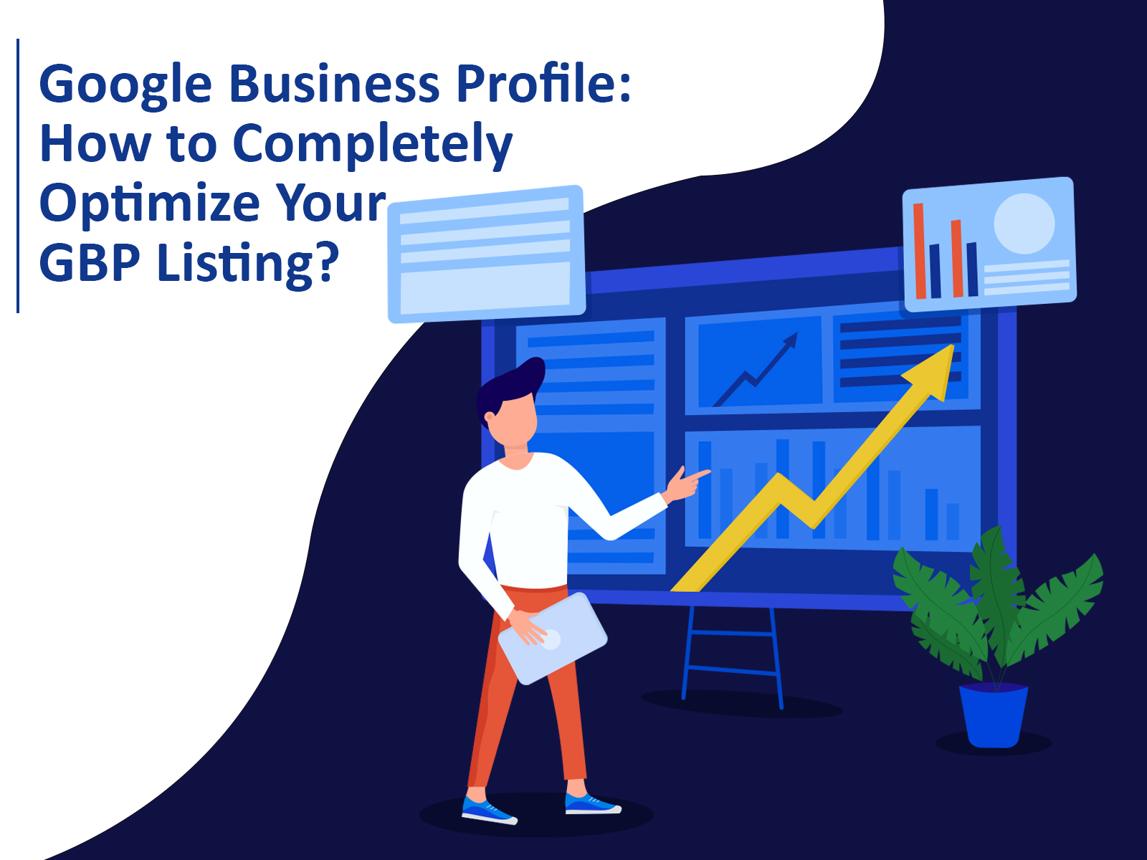
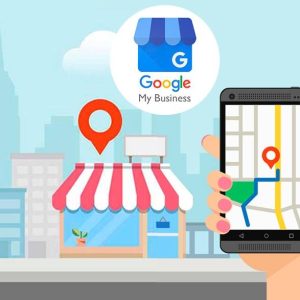
A Google Business Profile is one of the most important tools for Local SEO. It allows your business to appear in Google Search and Google Maps with essential information such as your address, phone number, website, business hours, and customer reviews.

To optimize your profile:

  • Complete all business details.
  • Choose the correct business category.
  • Add high-quality photos.
  • Keep your opening hours updated.
  • Respond to customer reviews.
  • Regularly post business updates.

A fully optimized profile increases your chances of appearing in local search results.

Use Local Keywords

Local keywords help search engines understand the areas you serve.

Instead of targeting broad keywords like:

  • Digital Marketing Agency

Use more specific phrases such as:

  • Digital Marketing Agency in Delhi
  • SEO Services in Delhi
  • Website Design Company in Delhi
  • Local SEO Services in Delhi

Include these keywords naturally in your:

  • Page titles
  • Meta descriptions
  • Headings
  • Content
  • Image alt text

This helps your website appear for searches related to your location.


Maintain Consistent Business Information (NAP)

NAP stands for:

  • Name
  • Address
  • Phone Number

Your business information should remain consistent across:

  • Your website
  • Google Business Profile
  • Business directories
  • Social media profiles

Inconsistent information can confuse search engines and reduce your local search visibility.

Encourage Customer Reviews

Customer reviews play a significant role in Local SEO. Positive reviews build trust and demonstrate that your business provides quality services.

Encourage satisfied customers to leave honest reviews on your Google Business Profile. Always respond politely to both positive and negative feedback.

Businesses with strong ratings and active engagement are more likely to attract new customers.


Build Local Citations

A local citation is any online mention of your business name, address, and phone number.

Examples include:

  • Local business directories
  • Industry directories
  • Chamber of Commerce listings
  • Business association websites

Accurate citations strengthen your local presence and improve search engine confidence in your business information.

Create Location-Specific Pages

If your business serves multiple cities, consider creating dedicated landing pages for each location.

For example:

  • SEO Services in Delhi
  • SEO Services in Noida
  • SEO Services in Gurgaon
  • Website Design Services in Delhi

Each page should contain unique content tailored to that location rather than duplicating the same text.

Key Takeaways

Local SEO helps businesses connect with customers in their target geographic area. By optimizing your Google Business Profile, maintaining consistent business information, earning customer reviews, and creating location-focused content, you can improve your visibility in local search results and attract more qualified leads.

For businesses that rely on local customers, Local SEO is one of the most effective digital marketing strategies for sustainable growth.

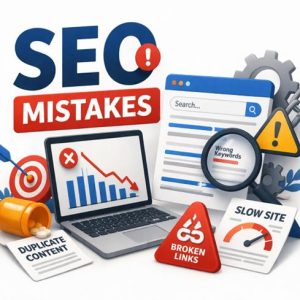
Common SEO Mistakes to Avoid

Even the best content can struggle to rank if common SEO mistakes are overlooked. Many beginners focus only on keywords while ignoring other important ranking factors such as user experience, website speed, and content quality.

Avoiding these mistakes can save time and help your website perform better in search results.

1. Keyword Stuffing

Using the same keyword repeatedly throughout your content makes it difficult to read and may negatively affect your rankings.

Instead of forcing keywords into every sentence, use them naturally and include related terms where appropriate.


2. Publishing Low-Quality Content

Search engines prioritize content that is helpful, original, and relevant. Thin or copied content provides little value to users and is less likely to rank well.

Focus on creating articles that answer questions clearly and offer practical information.


3. Ignoring Mobile Users

A website that doesn’t work well on mobile devices can lose both visitors and rankings.

Make sure your website is responsive, easy to navigate, and loads quickly on smartphones and tablets.


4. Slow Website Speed

Visitors expect websites to load quickly. Large images, unnecessary plugins, and poor hosting can slow your website down.

Regularly test your site’s performance and optimize it for faster loading times.


5. Missing Meta Titles and Descriptions

Every important page should have a unique title tag and meta description. These elements help search engines understand your content and encourage users to click on your listing.

Keep titles clear and include your primary keyword where it fits naturally.


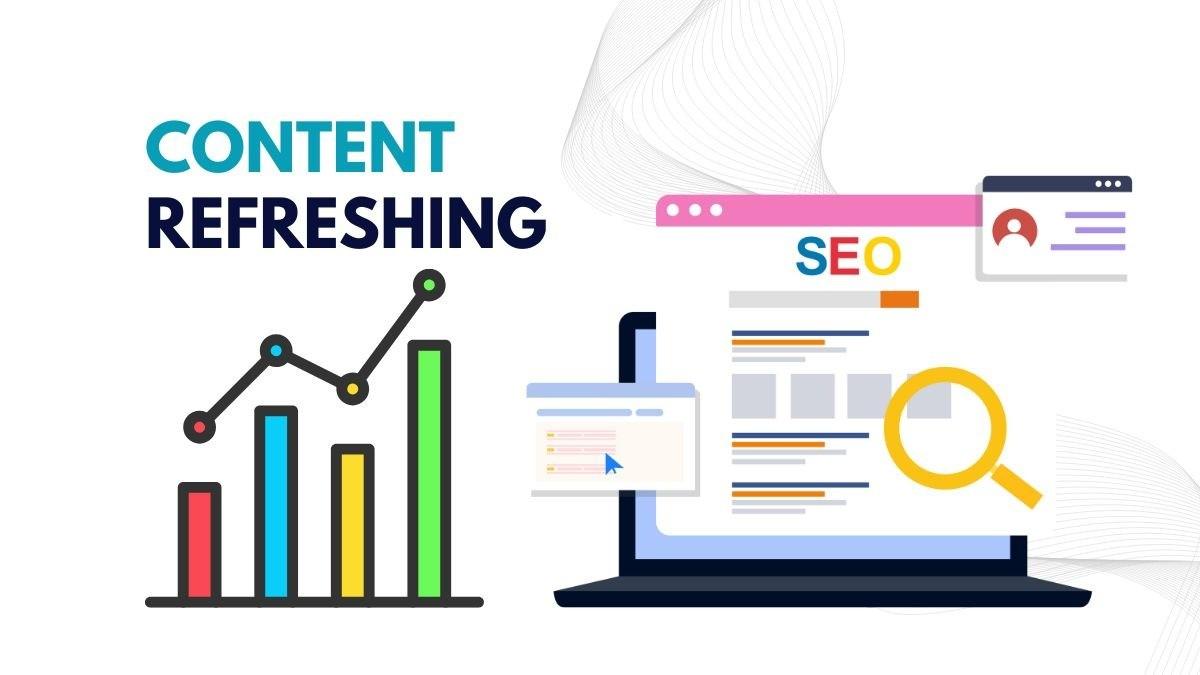
6. Not Updating Old Content

SEO isn’t a one-time task. Refreshing older articles with updated information, new examples, and improved internal links helps keep your content relevant.

Updating existing content is often easier than creating a brand-new article.

seo content refreshing

Best Free SEO Tools

Several free tools can help you improve your website’s SEO without a large budget.

Google Search Console

Monitor your website’s search performance, submit your sitemap, and identify indexing issues.

Google Analytics

Track website visitors, user behavior, and traffic sources.


Google Keyword Planner

Discover keyword ideas and estimate search demand.

Rank Math SEO

A popular WordPress plugin that helps optimize pages, create XML sitemaps, and manage on-page SEO.

Yoast SEO

Another well-known WordPress plugin for optimizing content and improving technical SEO.

Google PageSpeed Insights

Analyze your website’s loading speed and receive recommendations for improving performance.

Expert SEO Tips for Better Rankings

To improve your SEO over time, keep these best practices in mind:

  • Focus on creating content that answers real user questions.
  • Publish high-quality articles consistently.
  • Build internal links between related pages.
  • Earn backlinks from trustworthy websites.
  • Improve website speed and mobile usability.
  • Update older content regularly.
  • Monitor performance using Google Search Console.
  • Stay informed about changes in search engine algorithms.

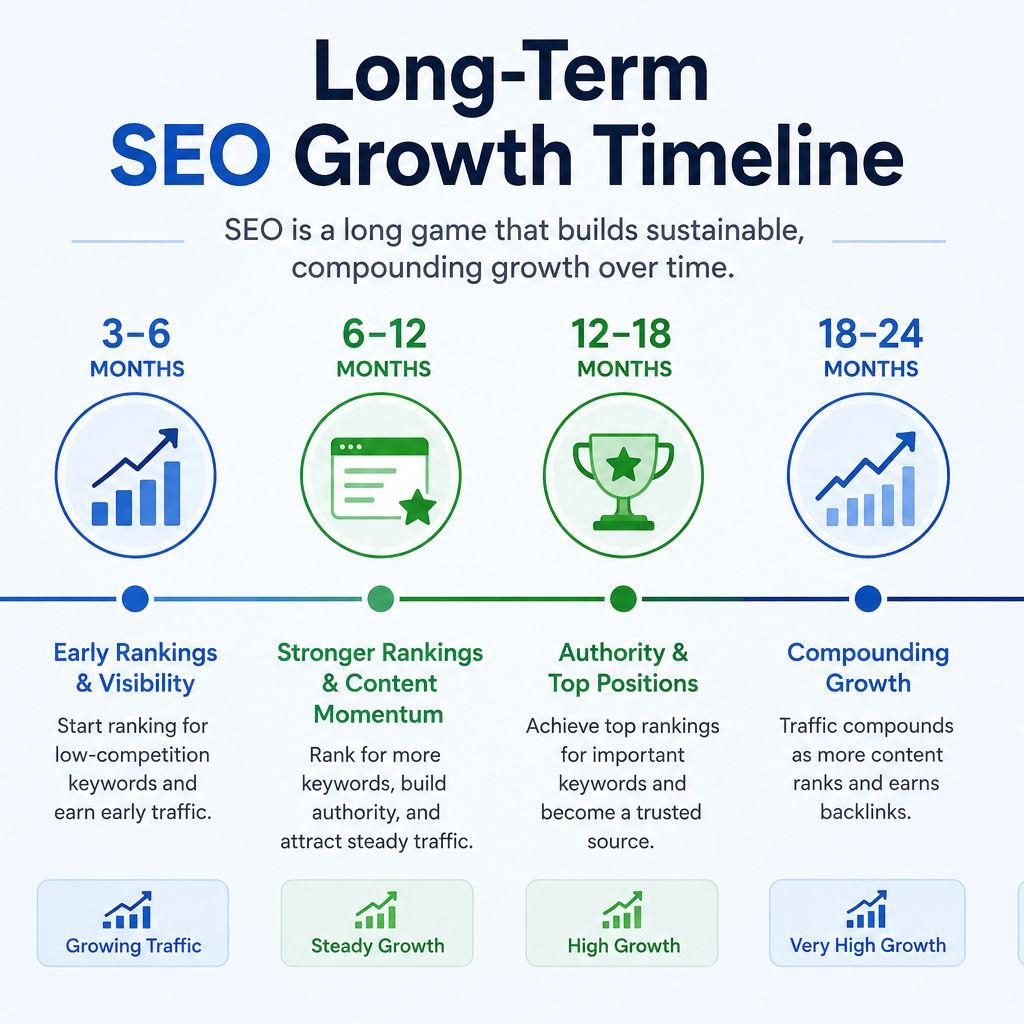
SEO is a long-term strategy, and consistent improvement often produces better results than trying to achieve quick wins.


Key Takeaways

Successful SEO requires more than simply adding keywords to a page. It involves creating valuable content, optimizing your website technically, avoiding common mistakes, and continually improving based on performance data.

By following best practices and using the right tools, businesses can build a stronger online presence and attract more organic traffic over time.

Frequently Asked Questions (FAQs)

1. What is SEO in simple words?

SEO (Search Engine Optimization) is the process of improving a website so it appears higher in search engine results. Better rankings can lead to more visitors, increased brand visibility, and more business opportunities.


2. How long does SEO take to show results?


SEO is a long-term strategy. While timelines vary depending on your website, competition, and content quality, noticeable improvements often take several months rather than a few weeks.


3. Is SEO better than Google Ads?

SEO and Google Ads serve different purposes. SEO focuses on long-term organic traffic, while Google Ads can provide immediate visibility through

paid campaigns. Many businesses benefit from using both together.


4. Can I do SEO myself?

Yes. Beginners can learn the basics of SEO and optimize their own websites by creating quality content, improving technical performance, and following best practices. More advanced strategies may require additional experience.


5. Why are keywords important in SEO?

Keywords help search engines understand what a page is about. Choosing relevant keywords and using them naturally makes it easier for the right audience to discover your content.


6. What is the difference between On-Page SEO and Off-Page SEO?

On-Page SEO focuses on optimizing elements on your own website, such as content, headings, and images. Off-Page SEO involves activities outside your website, including earning backlinks and building your online reputation.


7. Does website speed affect SEO?

Yes. Faster websites generally provide a better user experience, and page speed is one of the factors search engines consider when evaluating websites.


8. Is SEO only for Google?

No. SEO can also improve visibility on other search engines, but because Google has the largest market share in many regions, it is often the primary focus.


9. How often should I update my website?

Review your important pages and blog posts regularly. Updating information, adding new insights, and improving content helps keep it useful for visitors.


10. Is SEO worth it for small businesses?

Yes. SEO can help small businesses reach potential customers who are actively searching for their products or services, making it an effective long-term marketing strategy.


Conclusion

Search Engine Optimization is one of the most valuable long-term digital marketing strategies for businesses of all sizes. By creating high-quality content, optimizing your website, improving technical performance, and earning trust through ethical SEO practices, you can steadily increase your visibility in search results.

SEO is an ongoing process rather than a one-time task. Search engines evolve, user behavior changes, and competitors continue improving their websites. Consistently updating your content, monitoring performance, and following best practices will help your website remain competitive over time.

Whether you’re just starting your first website or looking to grow an established business, investing in SEO can help you attract qualified visitors and build a stronger online presence.


Ready to Grow Your Website?

If you’re looking to improve your website’s visibility, attract more qualified traffic, and grow your business through effective SEO strategies, ClickFX is here to help.

Our team provides professional services including:

  • Search Engine Optimization (SEO)
  • Website Design & Development
  • Google Ads (PPC)
  • Social Media Marketing
  • Content Marketing
  • Local SEO

Get in touch with ClickFX today to discuss your goals and discover how a tailored digital marketing strategy can support your business growth.